The Women’s Super League (WSL) is set to face significant disruption in 2028 as a result of the inaugural Women’s Club World Cup, raising questions about whether clubs are being expected to do too much with an already congested football calendar.
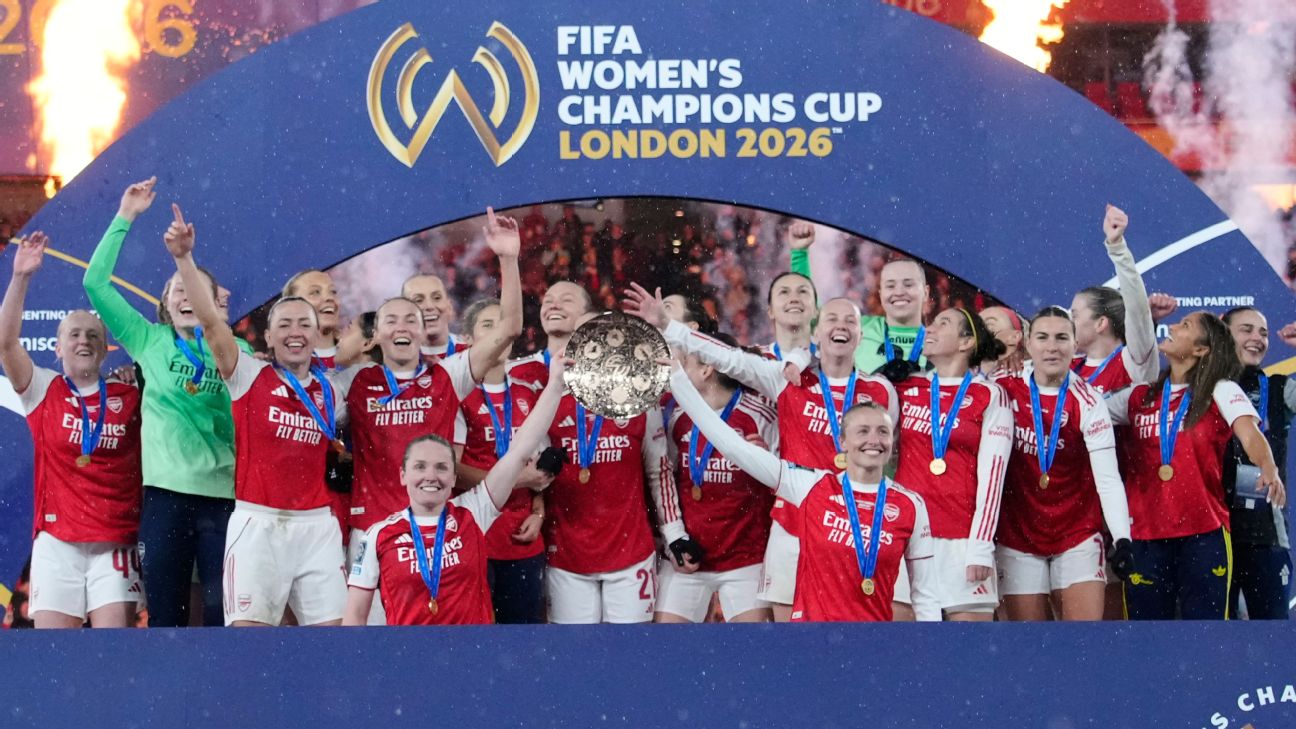
The tournament is scheduled to take place between January 5 and January 30, 2028, in the middle of the domestic season. Arsenal are expected to participate after winning the 2025 UEFA Women’s Champions League, while Manchester City and Chelsea could also feature depending on the final qualification arrangements.
Although the competition represents an important opportunity for women’s football, its timing could create problems for clubs competing on multiple fronts.
WSL faces difficult scheduling decisions
The WSL has already raised concerns about the tournament, warning that its timing could have serious consequences for domestic football and player welfare.
The competition could affect up to five rounds of WSL fixtures, plus an FA Cup round, with matches potentially having to be rearranged to accommodate participating clubs.
However, finding alternative dates will not be straightforward. The WSL must also consider its existing winter break and potential clashes with UEFA Women’s Champions League fixtures later in the season, which could leave limited opportunities to rearrange postponed matches.
There is also the question of player welfare. The tournament will also fall between the 2027 Women’s World Cup in Brazil and the 2028 Summer Olympics in Los Angeles, highlighting the competing demands on players across the club and international calendars.
For clubs involved in these competitions, the challenge will not simply be finding enough players to compete. Travel, recovery time and the risk of injuries will also have to be considered.
Are clubs being expected to do too much?
There is no doubt that the Women’s Club World Cup could be an important step towards growing the women’s game, giving clubs the opportunity to compete against teams from other continents.
However, that ambition should not come at the expense of domestic competitions or the players expected to participate in them.
Clubs such as Arsenal and Chelsea should not have to choose between competing for major international honours and fulfilling their domestic commitments because of scheduling conflicts they have little control over.
The situation also highlights a wider problem in football, with governing bodies continuing to expand competitions without necessarily providing enough space in the calendar to accommodate them.
Ultimately, the responsibility should not fall entirely on clubs to find solutions to a problem created by the scheduling of another tournament.
FIFA and domestic organisers will need to work together to minimise disruption and ensure players are given sufficient time to recover between matches.
The Women’s Club World Cup could be a significant moment for women’s football, but its success should not be measured solely by the quality of the competition. Protecting players and maintaining the integrity of domestic football must also remain priorities.