Football still likes to call itself the great equaliser: 90 minutes, two goals, and a dream open to all. Yet behind that romance lies a truth that still divides the game. Class, and increasingly the intersection of class and gender, continues to define who plays, who makes it, and what the sport means to those trying to break through.
In Europe, opportunity often comes with a price tag. England’s academies are pristine, Spain’s systems precise, Germany’s pathways efficient. Yet for every polished facility, there is a player priced out.
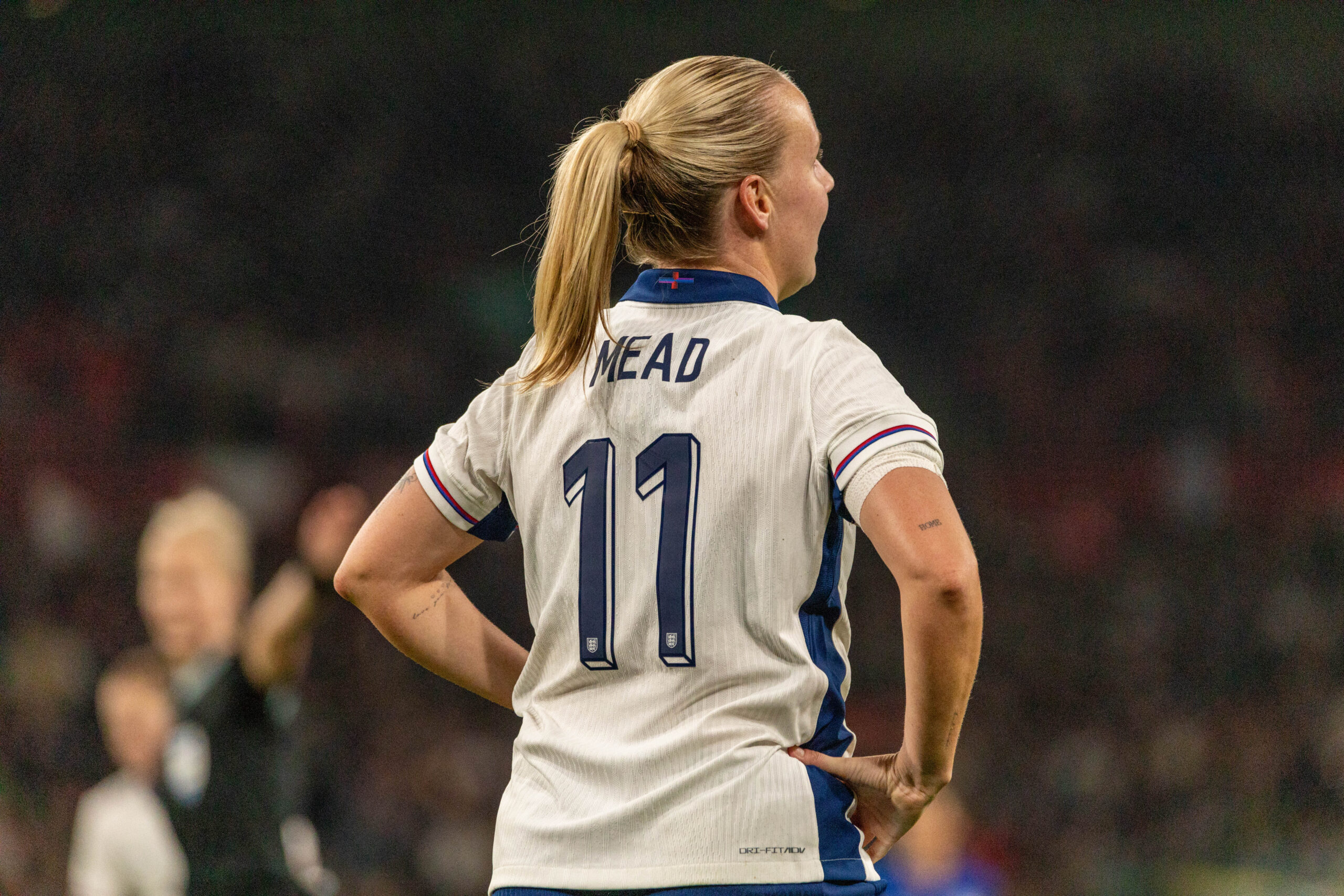
In her autobiography, Beth Mead wrote about her parents driving hours each week just so she could attend training:
“My dad did a lot for me, driving me to games and my mum took on extra hours at different jobs to pay for the petrol, so I owe a lot to them.”
Speaking in The Female Lead: Women Who Shape Our World (2017), Lucy Bronze recalled growing up in Northumberland where opportunities were scarce, saying:
“I was the only girl who played football in my entire region, rural north Northumberland. I played with the boys, and I’d never seen another girl playing football, let alone played against another girl. At the time, you weren’t allowed to play in a mixed team once you turned 12, so the FA wanted to ban me from the boys’ team.”
Even with modern progress, those stories remind us that class still decides who can afford the journey.
Beyond Europe, scarcity breeds something different. Across South America and Africa, the game grows from the ground up. Concrete courts and improvised pitches create players who learn through repetition, not regulation. After receiving FIFA’s Best Women’s Player award, Marta said:
“I’m happy to know that this prize is not being given only to Marta, but to all women, in the name of equality.”
Her words captured a reality that still defines much of the global game: women continue to fight for the same respect, investment, and visibility that men take for granted. That fight remains visible across the continents where funding and recognition still lag behind the talent on display.
Africa, in particular, reflects this contradiction clearly. Women’s football there is growing, yet remains under-supported. Nigeria’s Super Falcons have dominated
their continent for decades, reaching the knockout stages of multiple World Cups, but players have repeatedly spoken out about unpaid wages and lack of federation backing. After Nigeria’s exit to England at the 2023 Women’s World Cup, forward Ifeoma Onumonu told The Guardian:
“I’ve seen what resources England have access to. In Nigeria we don’t have access to much. Our training fields aren’t great. Where we sleep isn’t great. Sometimes we share beds.”
Her words capture the gap between potential and reality.
In contrast, Morocco’s investment ahead of the 2023 tournament, from facilities to grassroots development, helped them become the first North African nation to qualify for the Women’s World Cup, showing what consistent funding can achieve. Where resources exist, opportunity follows. Where they do not, progress stalls. The absence of infrastructure and scouting networks leaves countless young girls unseen, proving that talent without support rarely becomes legacy.
The picture widens further when class and sexism meet. Financial barriers prevent young girls from playing; social barriers tell them they should not. Even as the women’s game gains visibility, the media often celebrates those already inside privileged systems, creating an echo chamber that limits diversity in voices and styles of play. Equality on the pitch cannot exist without equality in access, and the two remain stubbornly linked.
The United States shows this on another scale. The national team’s success has become a global model, yet its pay-to-play system continues to exclude working-class families. Speaking in 2019 to SBI Soccer, Alex Morgan described the youth system in the U.S. as being:
“Detrimental to the growth of the sport in the U.S.” and added that “the pay-to-play model is getting worse than when I played competitive soccer.”
Football has never lacked talent. What it still lacks is fairness. Progress in visibility and investment means little if the same invisible lines decide who gets a chance. The women’s game continues to grow, but growth alone is not enough. Until the sport tackles class and sexism as joint forces shaping opportunity, the world’s most universal game will remain anything but equal.