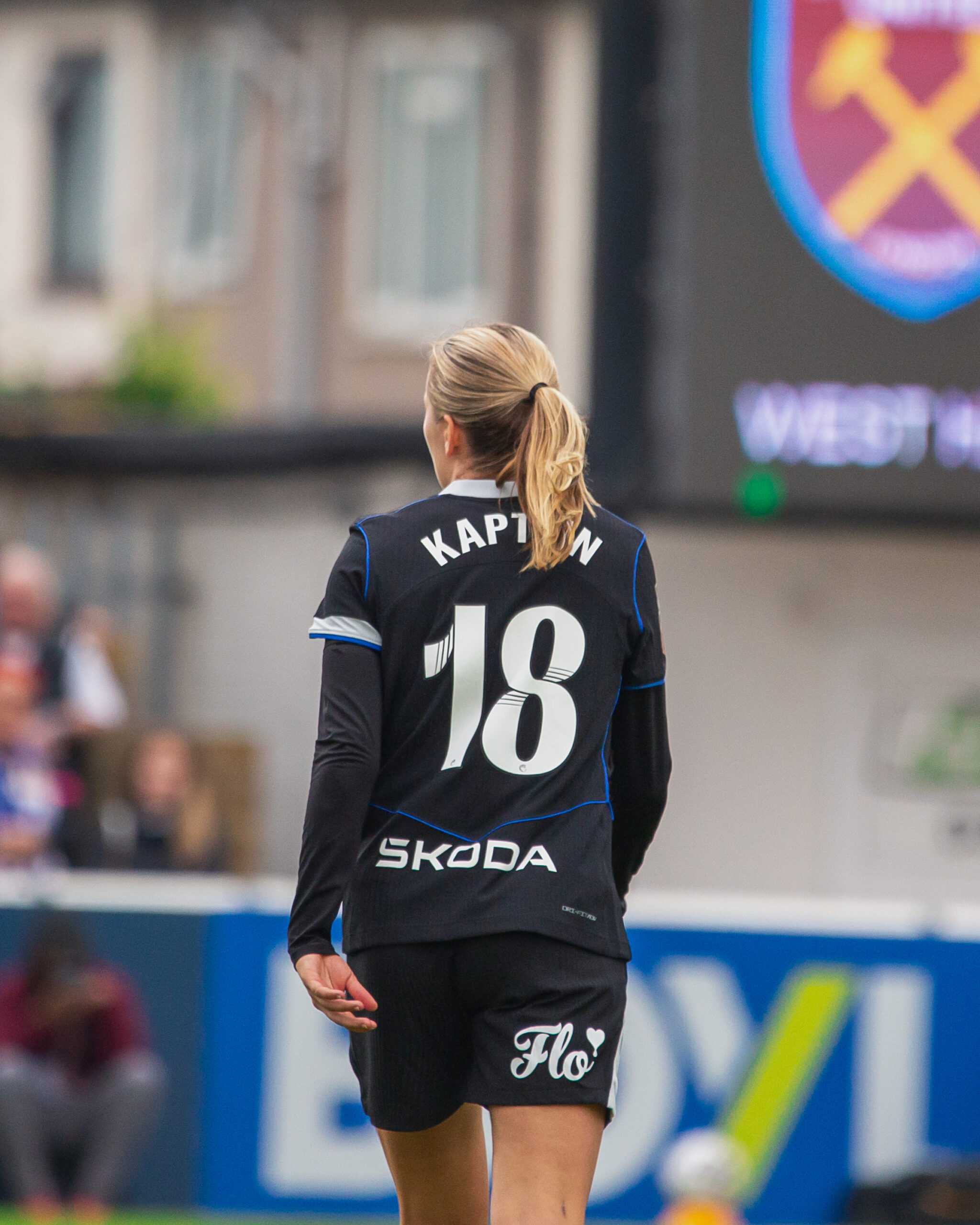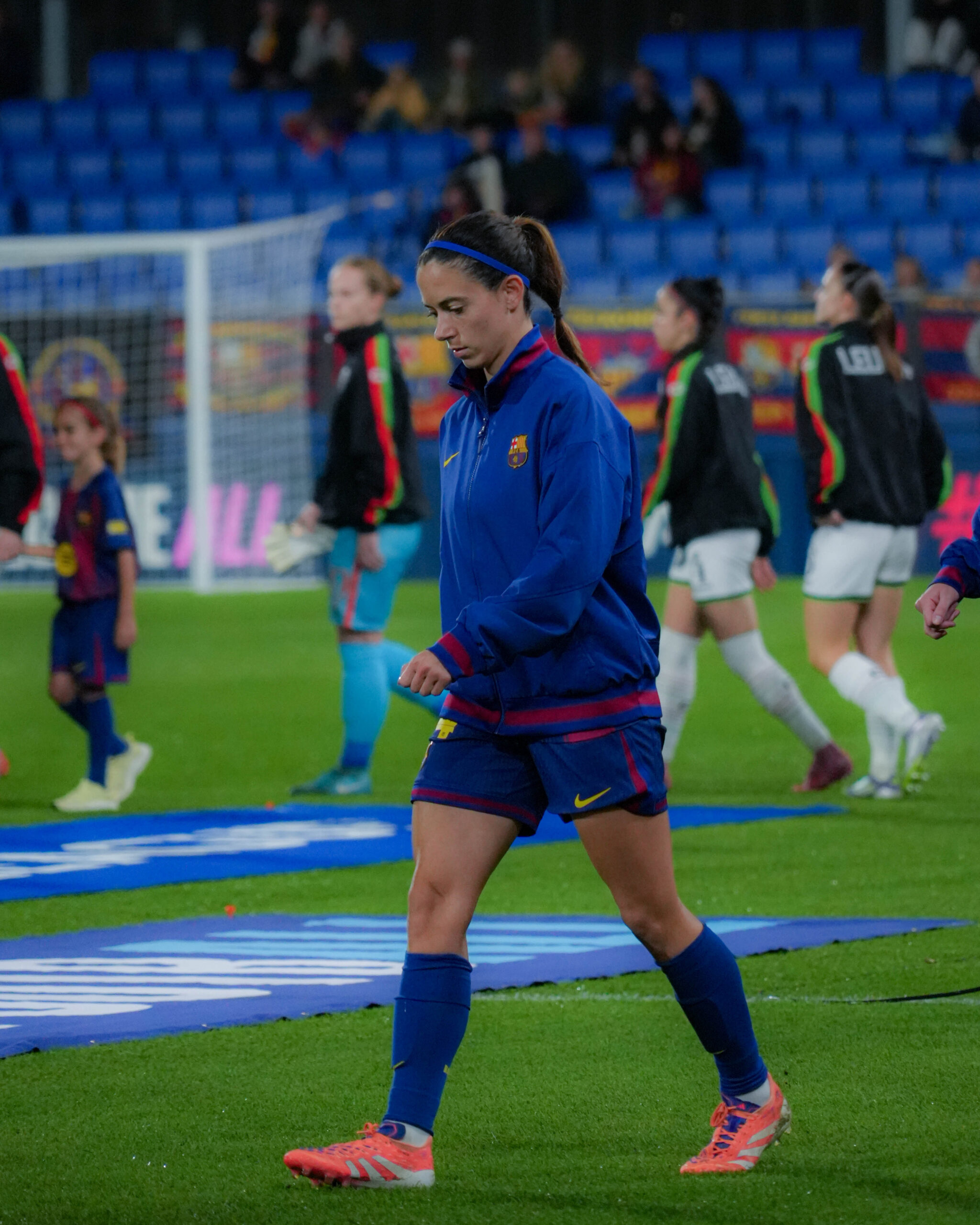
Whilst Liga F is presently host to some of the greatest names women’s football has ever seen, including Alexia Putellas and Aitana Bonmatí, Spain’s top division commands nowhere near the media attention or fan momentum of the rapidly accelerating WSL.
Back-to-back European Championship triumphs for the Lionesses and Arsenal’s recent Champions League glory have drawn global support toward English sides. Meanwhile, even Barcelona Femení’s three Champions League titles and Spain’s defiant 2023 World Cup victory have amounted to little change in domestic interest, as Bonmatí starkly put it, “who exactly cares” about Liga F?
Bonmatí has not shied away from criticising structural issues within the league, arguing that it “does not favour Spanish football,” particularly when compared to a WSL that she believes is “doing things so well.” Her concerns point to two core problems; a lack of competitiveness and the physical toll placed on players.
With 16 teams and a 30-match season, Liga F stretches its calendar thin. Bonmatí argues that players are left fatigued and disadvantaged heading into major international and European competitions, noting that players from other countries “come more rested” to decisive tournaments. Considering Spain’s recent European final defeat to England and Barcelona’s Champions League loss to Arsenal, the issue of rest and balance has become increasingly urgent for Spanish players.
The contrast in structure is striking. The WSL operates as a 12-team league with a 22-match season, competitive games and scheduling balance have made England an increasingly attractive destination. So much so that players such as Mariona Caldentey, Laia Codina and Leila Ouahabi have left Spain for English clubs where, as Bonmatí observes, “everything is changing.”
For now, the momentum, both financial and cultural, appears firmly aligned with England, raising uncomfortable questions about whether Spain’s domestic league can keep pace with the very talent it continues to produce.
Moreover, current Liga F statistics show Barcelona having scored 92 goals and conceded only five, a figure that is hardly surprising given their dominance over the past decade. Such predictability stems from a Barcelona side that prioritises academy development, combined with a league structure that insists on 16 teams, widening the gap in quality and reducing the funds distributed to each club. As a result, title races often lack genuine excitement.
Liga F are trying to close the gap between the top and the bottom of the league, increasing the funding drawn from the broader revenues of Liga F, with £16.5 million being provided for long term development, signalling progress and positive investment. However, Real Madrid representative Jose Sánchez reportedly told league president Javier Tebas that the allocation to the women’s game was “too much” and “has to be cut.” This complaint was made despite Real Madrid having made over €1 billion in revenue during the 2023/24 season.
Other instances of poor treatment also include reports that FC Badalona have been travelling to away matches this season without medical staff. Furthermore, many women’s teams share funding structures with their male counterparts, meaning female players are sometimes sold or asked to take pay cuts to stabilise the men’s side. Too often, women’s teams are treated as secondary operations.
Additional issues lie in Liga F lacking a comprehensive, high value broadcast agreement, relying heavily on its partnership with DAZN while struggling to secure consistent and wide-reaching coverage. As a UK based viewer, accessing matches can feel unnecessarily difficult.
The league also attempted to improve refereeing technology this year by introducing a “VAR lite” challenge system, yet it has drawn criticism for disrupting games rather than enhancing them. With average attendances hovering around 1,700 per match, the league remains financially dependent on broadcast revenue, yet until media accessibility matches the calibre of talent on display, Liga F’s global reach will continue to fall short of its potential.
There are, however, visible signs of forward movement.
If we look back to March 2022 when 91,553 supporters filled Camp Nou for a Champions League Clasico against Real Madrid, a world record attendance, it proves the scale of possibility when the teams are properly promoted. Under president Joan Laporta, the Barcelona women’s team has been described as “one of the greatest sources of pride” for the club, with structural steps such as dedicated changing facilities at Camp Nou now being implemented.
Moreover, with potential investment in a financially struggling club from Michele Kang, in the next few years we could see a current smaller club rise and challenge the top runners, helping to rebalance competition within the league.
The priority now is ensuring that this ambition stretches beyond the top teams; if consistent investment and wider visibility begin to match the quality on the pitch, Liga F can grow into a league that truly reflects the level of talent it already possesses.