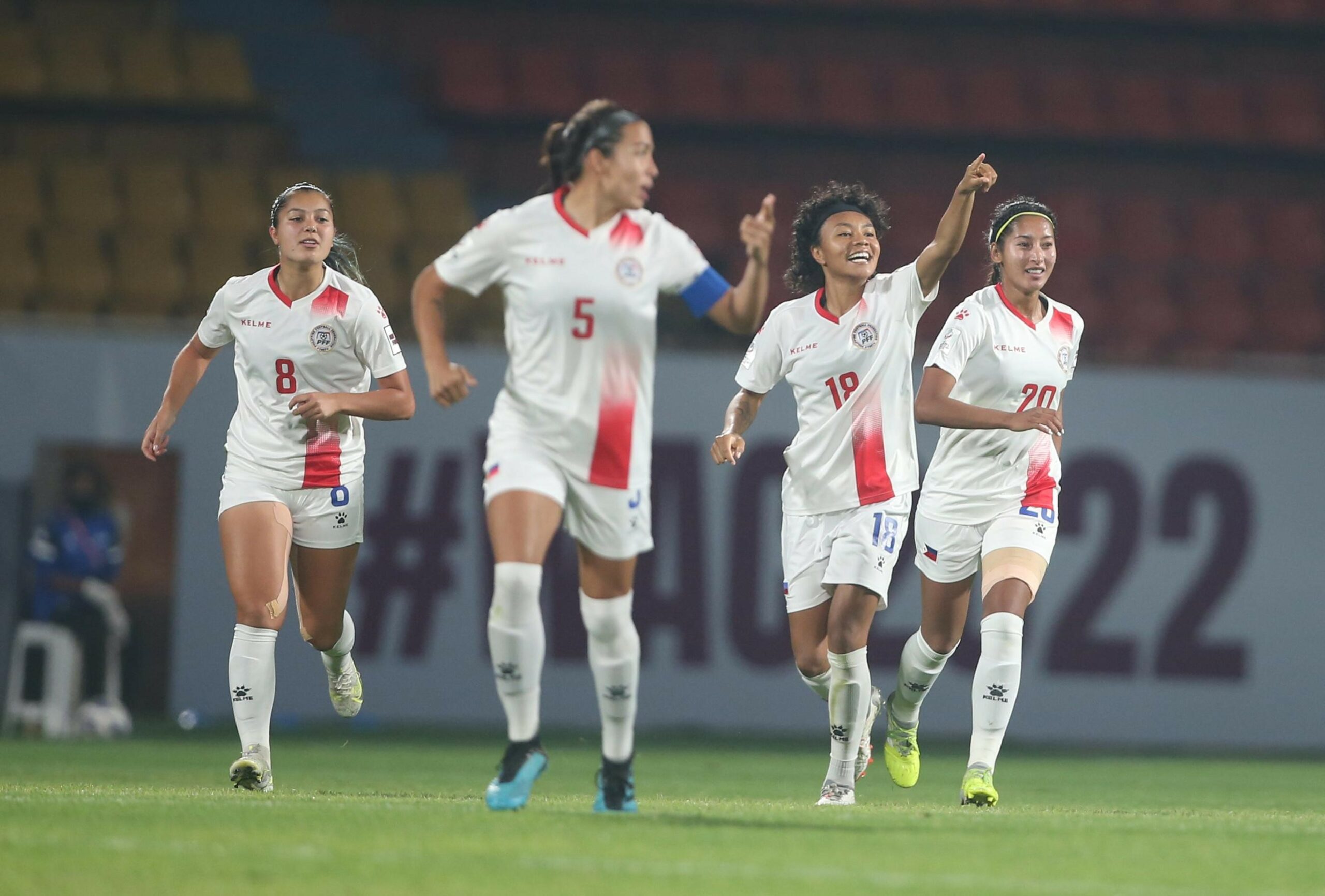
The AFC Women’s Asian Cup 2026 kicked off this week in Australia, marking the start of a three-week showcase across Perth, Sydney and the Gold Coast. The host nation has thrown its full weight behind the tournament, with major investment and a nationwide spotlight firmly on women’s football.
From the 1st to the 21st of March, twelve of Asia’s strongest teams will go head-to-head, competing for one of the biggest prizes in Asian football ($1.8 million), doubling as Asia’s final qualifying stage for the 2027 FIFA Women’s World Cup. China arrive as defending champions, while Australia, Japan and South Korea have ambitions to claim the title.
Group B, featuring North Korea, China, Bangladesh and Uzbekistan is one of the most exciting groups in the competition. Played from the 3rd to the 9th of March, two giants, one rising challenger and one debutant offer a unique blend of experience and ambition. It’s a group that promises drama, emotion and moments that will define the tournament.
What to expect from the group stages
The tournament features three groups of four teams. Within every group, each team plays the other once, with the top two teams from each group, along with the two best third-placed teams, advancing to the quarter finals. This format means that even a third-placed side in Group B could progress if they secure enough points or maintain a high goal difference, meaning every goal, and every point could be decisive. It’s all to play for.
Everything you need to know about the teams
The return of North Korea
As one of Asia’s traditional powerhouses, with three previous titles (2001, 2003 and 2008) and a reputation for disciplined, high-intensity football, North Korea enter the tournament ranked inside the global top ten. Despite a number of setbacks and a notable absence from international competitions over the last few years, North Korea’s history and ranking still makes them one of the favourites to top group B. As a team stacked with new and young talent, North Korea are ready to remind the world of their potential, and re-establish their dominance as a top team.
China: the defending champions
China are the defending champions, and the most decorated team in the competition’s history with nine titles to date. Their experience on the world stage, combined with squad depth and tactical maturity, makes them strong contenders — not only to win the group but to challenge for the trophy once again. While China are renowned for dominating possession and controlling games through their midfield, their recent results have caused some doubts, leading fans to question whether the Steel Roses can hold their nerve and finish top of Group B.
Bangladesh: ambitious debutants
Bangladesh make their tournament debut, marking an exciting first appearance on this stage. Starting the tournament as the lowest-ranked team in the group, and one of the lowest ranked teams in the tournament, expectations for Bangladesh will be low, but their rise through the ranks in South-East Asia has been rapid, with recent success in the South Asian Football Federation Championship. This could mark the beginning of a promising era for Bangladesh, a team to watch as they begin establishing themselves on the international stage.
The quiet disruptors: Uzbekistan
Returning for their sixth Asian Cup tournament, Uzbekistan have reached the group stage several times, but have yet to feature in the knock-out stages. With a relatively new manager in Kotryna Kulbyte, Uzbekistan have enough experience to stay composed and enough ambition to cause trouble for other teams. We can expect Uzbekistan to push these teams to their limits, keeping the group fiercely competitive.
Group B: a place where history and possibility collide
In a blend of tournament veterans, ambitious newcomers and a general unpredictability, Group B is yet to be defined. China and North Korea are widely expected to battle for the top spot, backed by the weight of their legacies, each determined to prove that they still define the rhythm of Asian football. Uzbekistan are ready to cause disruption, and will aim to challenge for a quarter-final place, either through a top-two finish or as one of the best third-placed teams. Bangladesh, the underdogs with nothing to lose, have an opportunity to showcase their development on the biggest stage, and potentially influence the group’s dynamics.
Every team in Group B has a powerful stake in the tournament, either in redemption, validation, or ambition. Every match has the potential to tilt the narrative, and every goal can reshape the frontrunners. There are plenty of opportunities to create history.
Keep up with games on the AFC Asian Cup YouTube channel: AFC Asian Cup – YouTube
Upcoming fixtures (AEDT (UTC+11)):
- 3 March 2026, 1pm – DPR Korea vs Uzbekistan
- 3 March 2026, 7pm – China PR vs Bangladesh
- 6 March 2026, 1pm – Bangladesh vs DPR Korea
- 6 March 2026, 7pm – Uzbekistan vs China PR
- 9 March 2026, 5pm – Bangladesh vs Uzbekistan
- 9 March 2026, 8pm – DPR Korea vs China PR
https://www.miragenews.com/australia-kicks-off-afc-womens-asian-cup-2026-1628603
Women’s Asian Cup 2026: How to watch the Matildas, fixtures, results — all you need to know – ESPN