China’s AFC Women’s Asian Cup campaign came to an end at the semi-final stage following a 2–1 defeat to Australia.
The Steel Roses pushed Australia throughout the contest but ultimately fell short, as second-half quality proved decisive. Despite the result, China once again demonstrated the resilience and organisation that has defined their identity.
Known as the “Steel Roses”, the China women’s national team developed a formidable reputation during the 1990s, when the country dominated women’s football in Asia and emerged as a genuine global contender. That period included multiple continental titles and a run to the final of the 1999 FIFA Women’s World Cup, where China narrowly lost to the United States on penalties.
The Steel Roses’ modern resurgence
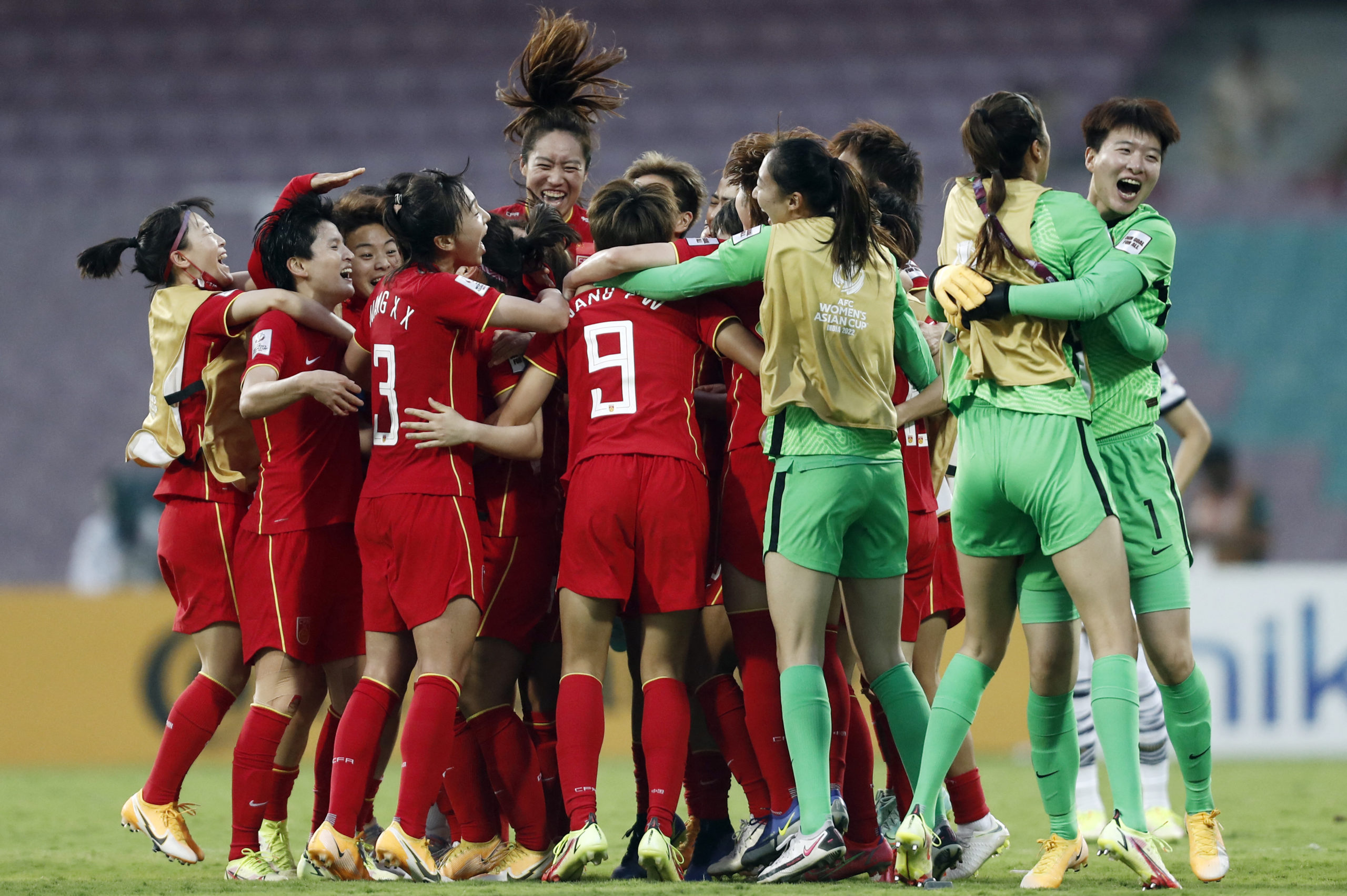
The side enjoyed a resurgence in 2022 when China won the AFC Women’s Asian Cup for the first time in 16 years. The triumph came in dramatic fashion, as the Steel Roses produced a remarkable comeback to defeat South Korea in the final.
That victory reinforced the team’s reputation for resilience and their ability to deliver in high pressure moments.
China carried that momentum into the current tournament and reached the semi-finals, where they faced Australia.
Australia took the lead through Caitlin Foord before China responded as Zhang Linyan converted from the penalty spot to level the score.
However, Sam Kerr proved decisive in the second half, scoring the winning goal to send Australia into the final and bring China’s campaign to an end.
Ante Milicic’s leadership and squad mentality
Head coach Ante Milicic has led the national team with a clear emphasis on belief and collective mentality within the squad. Speaking during the tournament, Milicic highlighted the resilience and work ethic of his players.
“They are very resilient, they love working and they love learning.
When they are together, they have such a strong belief.”
Milicic’s comments reflect the spirit that has long defined the Steel Roses, a team historically built on discipline, organisation and a strong collective identity.
Experience and emerging talent in the squad
China’s squad blends experienced internationals with a new generation of emerging talent, creating a group capable of competing with the strongest teams in the region.
Several Chinese players have also gained experience abroad in recent years, exposing the squad to different tactical systems and playing styles.
That international exposure has become increasingly important as the gap between Asia’s leading nations continues to narrow. Playing in different leagues and environments helps players develop both technically and mentally.
Can China maintain their Steel Roses legacy?
China’s identity has traditionally been built on organisation, discipline and collective effort. Those qualities remained evident throughout their run to the semi-finals of the AFC Women’s Asian Cup.
Although their campaign ended against Australia, China have once again shown they can compete with the very best in Asia.
With a blend of experience, emerging talent and a strong collective mentality, the Steel Roses remain well placed to challenge in future tournaments.