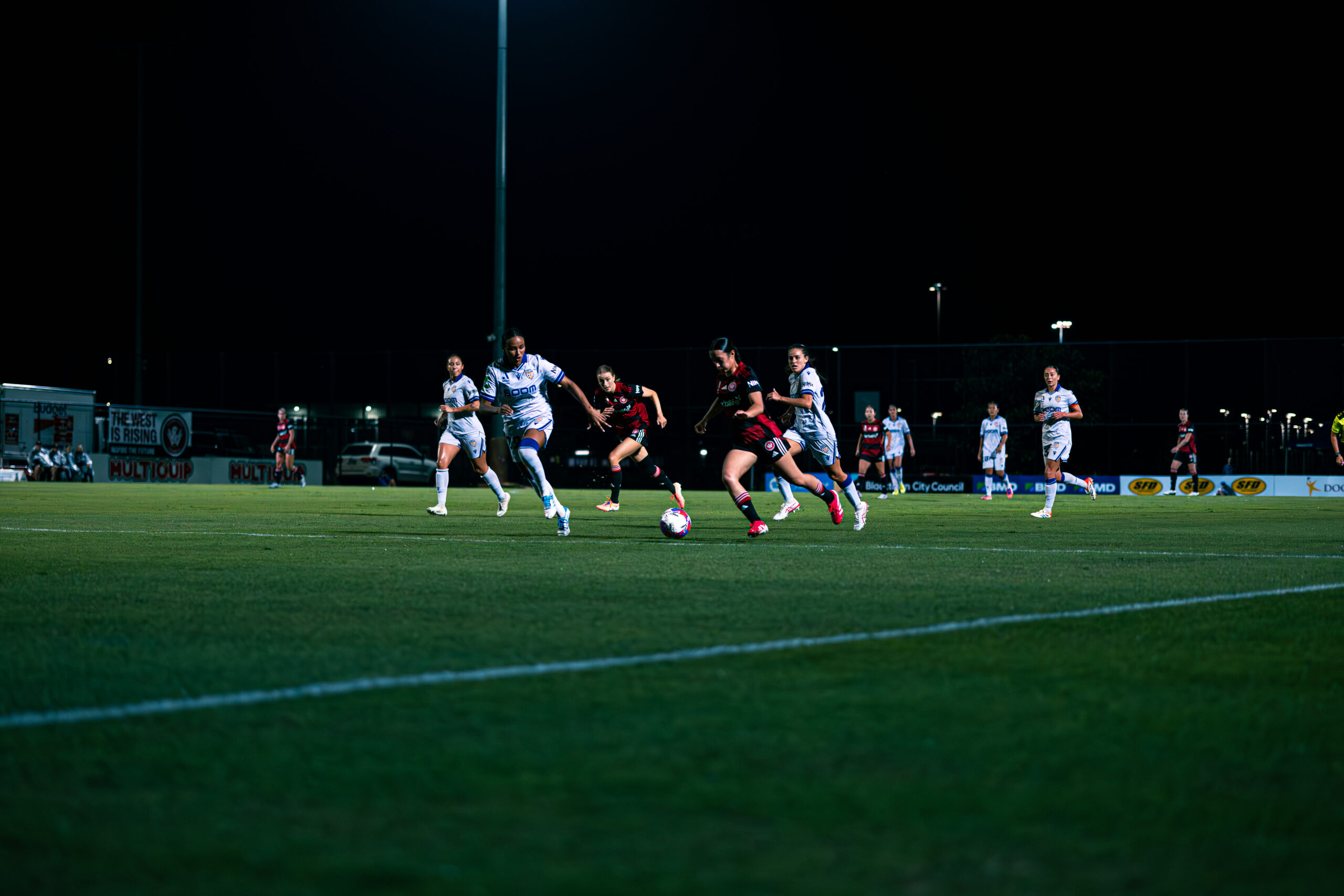
The timing of women’s fixtures plays a crucial role in attracting fans. For example, a 4 PM kick-off on a Friday for Perth Glory Women’s team made it difficult for most working fans and families to attend. Such scheduling undermines the goal of growing the women’s game by limiting attendance and reducing visibility.
Double headers can be beneficial if they are scheduled and marketed as equal events, encouraging fans to stay for both matches. Without proper planning, double headers risk becoming logistical conveniences rather than genuine growth strategies that support the development of the women’s game.
IMPACT ON THE IDENTITY OF THE WOMEN’S GAME
While double headers aim to increase exposure for the women’s competition, they also risk turning the women’s fixture into a “curtain raiser.” This reinforces perceptions that the ALW is secondary to the men’s league. Early kick-offs and playing before the men’s game can diminish the sense of importance and hinder the league’s ability to build a dedicated and independent fan base.
A thriving women’s competition needs its own match-day identity, one that attracts fans specifically to support the women’s team and celebrates their own atmosphere, traditions, and fan engagement. Building this independence is essential for the long-term growth and respect of the women’s game. The ALW decision makers seem to agree.
For the 2025/26 A-League season, there has been a reduction in double headers with an attempt to:
“Increase the number of standalone fixtures to develop uniquely A-League Women’s match day experiences and bring fans closer to their heroes in smaller venues.”
EMPTY STADIUMS AND FAN EXPERIENCE
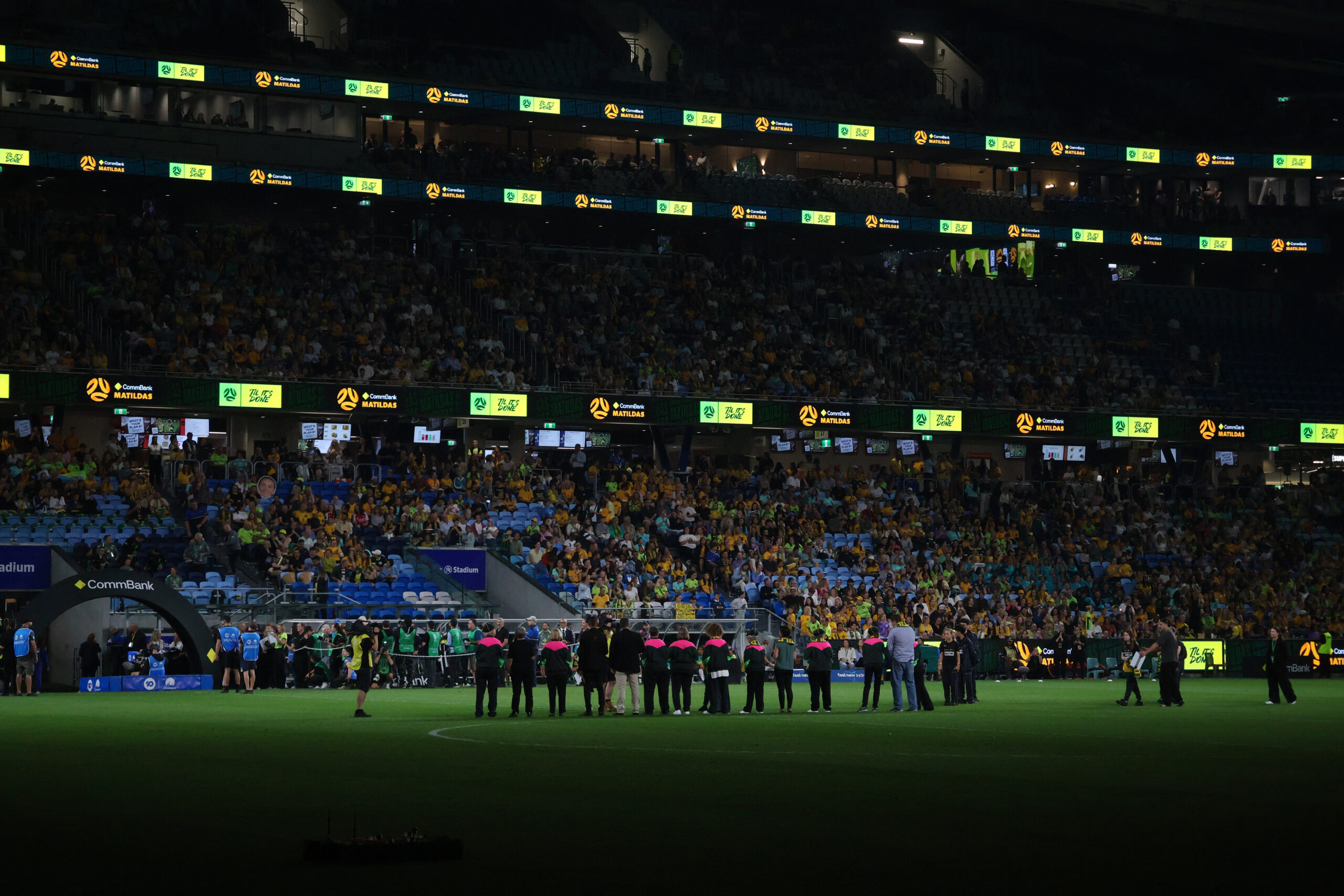
Large stadiums can create a powerful visual impact but only when they are full. When double headers are poorly timed or fans arrive late or leave early, the result is large empty stands, which weaken both the atmosphere and the overall viewing experience.
Double headers can support the growth of the A-League Women if executed strategically. Clubs could take a joint approach between their men’s and women’s teams to market match days as full-club events, creating memorable fan zone experiences to keep spectators engaged between games and encourage them to stay longer. Scheduling these double headers on weekends or public holidays would also make attendance more accessible, helping to grow consistent support for both teams.
CAN DOUBLE HEADERS HELP?
Double headers have the potential to strengthen the A-League Women by improving visibility, increasing attendance and creating shared club experiences but only if they are planned and promoted effectively. Poor scheduling and a lack of equality in presentation risk undermining the women’s game’s identity and atmosphere.
With thoughtful scheduling, equal marketing, and enhanced fan experiences, double headers can become a powerful tool for the sustainable growth of the ALW.
https://aleagues.com.au/news/fixtures-talking-points-a-league-women-details-what-you-need-to-know/