Women’s football is loud right now. Record crowds. Big goals. Bigger conversations.
Beneath all that growth lies something quieter, but just as vital: the people who don’t simply watch the women’s game, but actively champion it — who speak up for it, defend it, and support it when it truly counts.
And yes, some of those people are men.
Not the ones who post once during a major tournament and disappear but instead the ones who show up consistently. The ones who understand that supporting women’s football is not a trend or a branding opportunity, it is something that requires action.
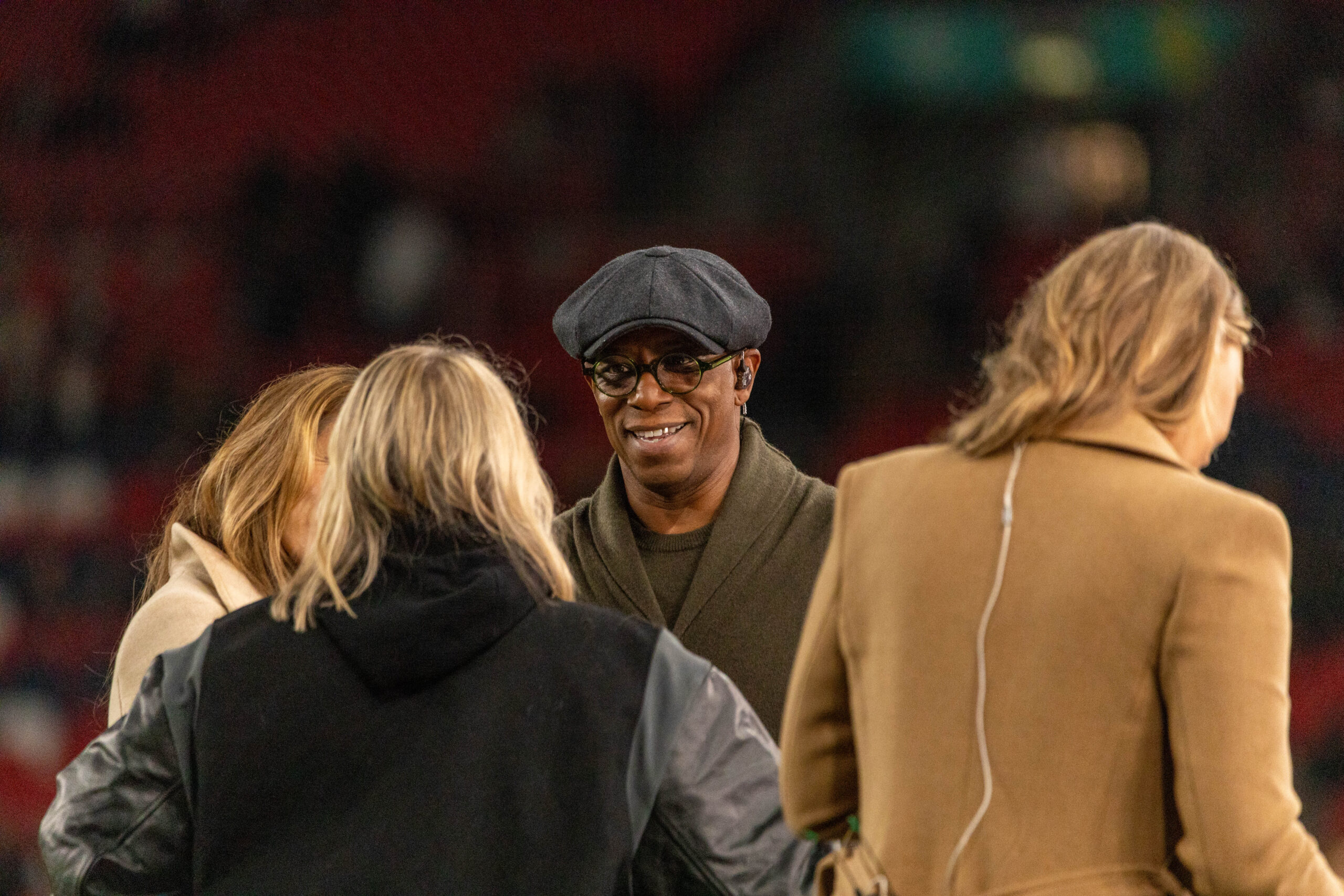
Two names that always stand out are Ian Wright and Declan Rice.
Ian Wright: Allyship in Action
Ian Wright’s support has never felt performative – it feels personal, rooted in genuine care and conviction. He has spoken openly about the lack of equal opportunities for girls in schools and questioned why access to football is still not guaranteed. He challenges the people in charge instead of just celebrating success once it arrives.
What really defines his allyship, though, is what happens away from interviews and studio discussions. When Kayleigh McDonald suffered a serious ACL injury and did not have the financial backing for rehabilitation, Wright stepped in and paid for it. There was no publicity push around it. He simply acted.
Women’s football still does not have the same financial protection as the men’s game. Contracts are smaller. Medical support can vary. Careers can be fragile. Wright did not just acknowledge that reality. He did something about it.
Declan Rice: Respect Without Performance
Declan Rice’s support feels important for a different reason. It feels natural. It feels like this is simply how he sees the sport. He has openly celebrated the Lionesses and recognised what their success represents beyond trophies. He does not treat women’s football as a novelty or something separate. He treats it as football.
When a player operating at the highest level of the men’s game shows consistent respect for the women’s game, it shifts culture, it influences fans and it shapes conversations in dressing rooms and online spaces. It quietly challenges the idea that one side of the sport is the default and the other is an addition.
Shifting the Spotlight
In a telling moment, Pep Guardiola referenced Arsenal Women winning the first treble instead of centring his own men’s side. He didn’t have to make that comparison, but he chose to spotlight a landmark achievement in the women’s game.
That kind of recognition matters. It places women’s football within the same historical frame as any other major achievement in the sport, not as an add-on or a footnote, but as part of the game’s shared legacy.
Spending time in women’s football spaces, you learn to recognise when support is genuine. It shifts the tone of conversations. It brings a different weight to the room. It creates legitimacy in spaces that have historically questioned whether women’s football deserves equal coverage, equal investment, or even equal respect.
This isn’t about men swooping in to save anything. Women built the game, carried it for years, and are still the ones pushing it forward. It’s simply about men recognising that, and making a conscious choice to stand alongside them.
What young girls see now isn’t just packed stadiums. They see the male players and managers they grew up watching speaking about their game with respect. They see it acknowledged, valued, and discussed seriously. They see that their football isn’t secondary.
When influential figures treat women’s football as serious, historic and valuable, progress accelerates. Investment grows, coverage expands and respect becomes embedded rather than conditional.
That’s why it’s worth recognising the men who genuinely support the women’s game.
Not because they need to be the focus, but because they understand that women’s football already is.