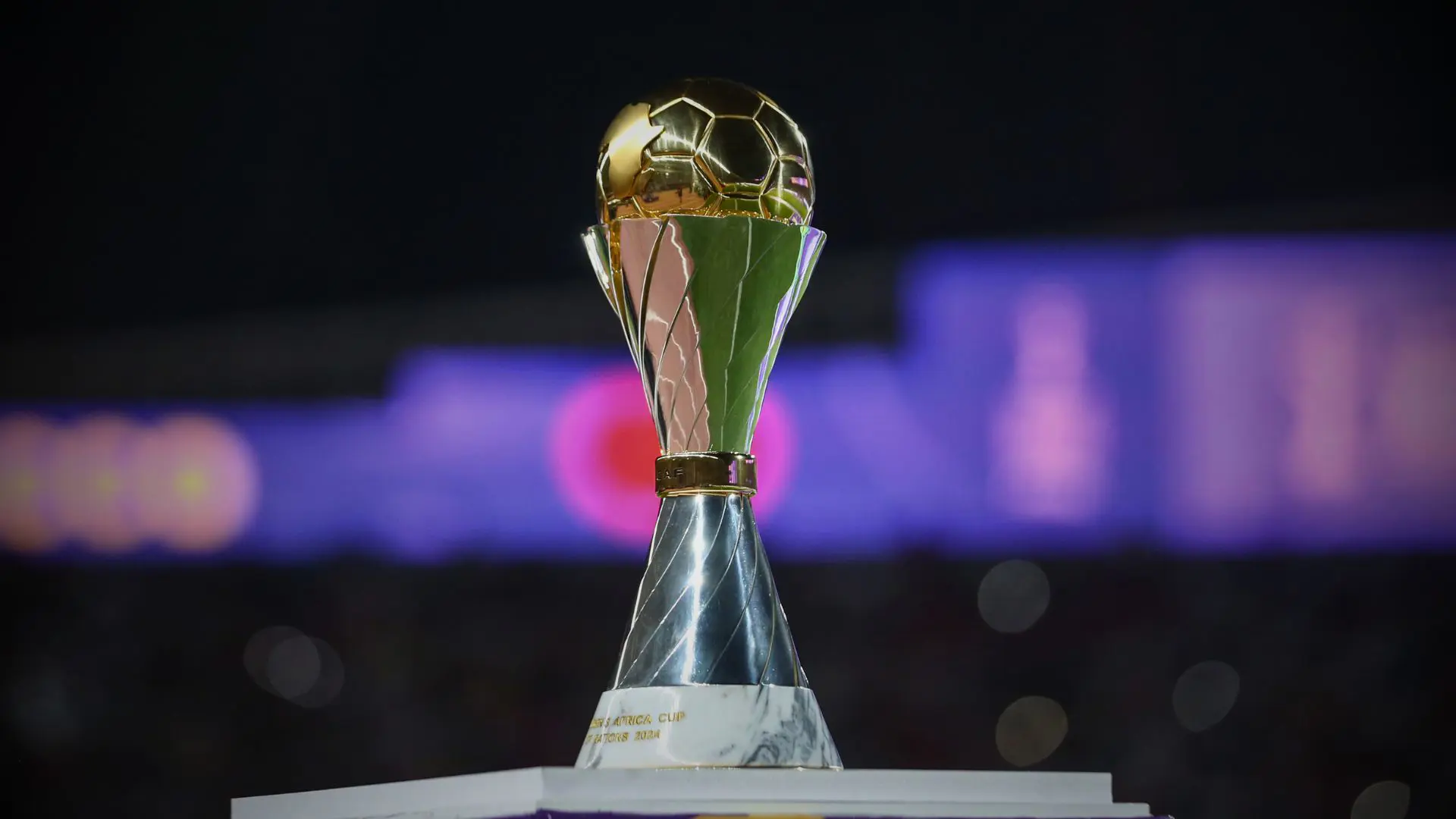
After months of delays and uncertainty, the Women’s Africa Cup of Nations 2026 is finally underway in Morocco.
Africa’s biggest women’s football tournament began on 26th July, with 16 nations competing across 34 matches for the title, increased prize money and a place at the 2027 Women’s World Cup in Brazil.
The stakes are higher than ever as the four semi finalists will qualify automatically for the World Cup, while the losing quarter finalists will have another chance through an intercontinental play off.
For many teams, this is more than just a chance to lift a trophy. It is an opportunity to show how far women’s football has come across Africa.
Morocco once again provides the stage
Morocco are hosting WAFCON for the third consecutive time. Matches are being played in Rabat and Casablanca, with five stadiums hosting games throughout the tournament. The final is expected to take place at either the Moulay Hassan Stadium or the larger Prince Moulay Abdellah Stadium in Rabat.
Morocco’s rise has been one of the biggest stories in African women’s football in recent years. Their progress at both club and international level shows the impact of improved facilities, greater investment and growing attention around the women’s game.
The groups: who is competing?
The 16 teams have been split into four groups, with the top two sides from each group reaching the quarter finals.
Hosts Morocco are in Group A alongside Algeria, Senegal and Kenya, who return to the tournament after a decade away. Group B features 2022 champions South Africa, who face Ivory Coast, Burkina Faso and Tanzania. Defending champions Nigeria headline Group C alongside Zambia, Egypt and tournament debutants Malawi. Group D sees Ghana take on Cameroon, Mali and first time participants Cape Verde.
The expanded format has opened the door for more nations to compete, with Malawi and Cape Verde making their first appearances at WAFCON.
Nigeria chasing an 11th title
The Super Falcons remain the dominant force in African women’s football.
Nigeria arrive as defending champions and the most successful team in WAFCON history, having won 10 of the 13 previous editions since the tournament began in 1998. That success brings pressure. As champions, Nigeria know every opponent will be determined to beat them. Nigeria still have some of Africa’s biggest names, including captain Rasheedat Ajibade, goalkeeper Chiamaka Nnadozie and six time African Player of the Year Asisat Oshoala.
However, the competition around them is stronger than ever. Morocco, South Africa and Zambia have all developed into serious challengers as Nigeria look to secure an 11th WAFCON title.
The favourites and contenders
South Africa have already shown they can challenge the traditional powers after winning the 2022 tournament, while Morocco continue to improve and are searching for their first title. Zambia also arrive with one of the most dangerous attacks in the competition, led by captain Barbra Banda and Racheal Kundananji. Ghana, Cameroon and Ivory Coast will believe they can make a deep run, while Malawi bring plenty of excitement through the Chawinga sisters, Tabitha and Temwa.
With more teams involved, the gap between Africa’s established powers and emerging nations continues to close.
Broadcast confusion leaves fans frustrated
One of the biggest talking points around WAFCON 2026 has been the uncertainty over broadcast coverage.
There was excitement after reports suggested Channel 4 had secured rights to show the tournament. The deal would have been a major step forward for African women’s football, especially for supporters in the UK hoping to watch the competition on television. However, the reported agreement did not happen, leaving fans disappointed and raising further questions about the visibility of major women’s tournaments.
The situation highlighted a wider issue. While women’s football continues to grow globally, competitions outside Europe and North America still face challenges when it comes to securing consistent coverage.
CAF has since confirmed that matches will be streamed through the official CAF TV YouTube channel, giving fans around the world a way to follow the tournament.
Prize money doubled as tournament grows
CAF has increased the financial reward for this year’s competition which reflects the continued growth of women’s football on the continent.
The winners will receive $2 million which is double the amount awarded to Nigeria after their previous triumph. The runners up will earn $750,000, while all 16 teams will receive $150,000 for reaching the finals.
The increase is a positive step, but many believe further investment is still needed across grassroots football, facilities and professional opportunities.
A defining moment for African women’s football
WAFCON 2026 arrives at an important moment for the women’s game.
Africa has always produced talented players, passionate supporters and competitive teams. The challenge has been ensuring the tournament receives the attention and investment it deserves.
With World Cup qualification on the line and a new generation of stars emerging, this could become one of the most important editions in WAFCON history.
The football is already underway. Now the hope is that the world is watching.