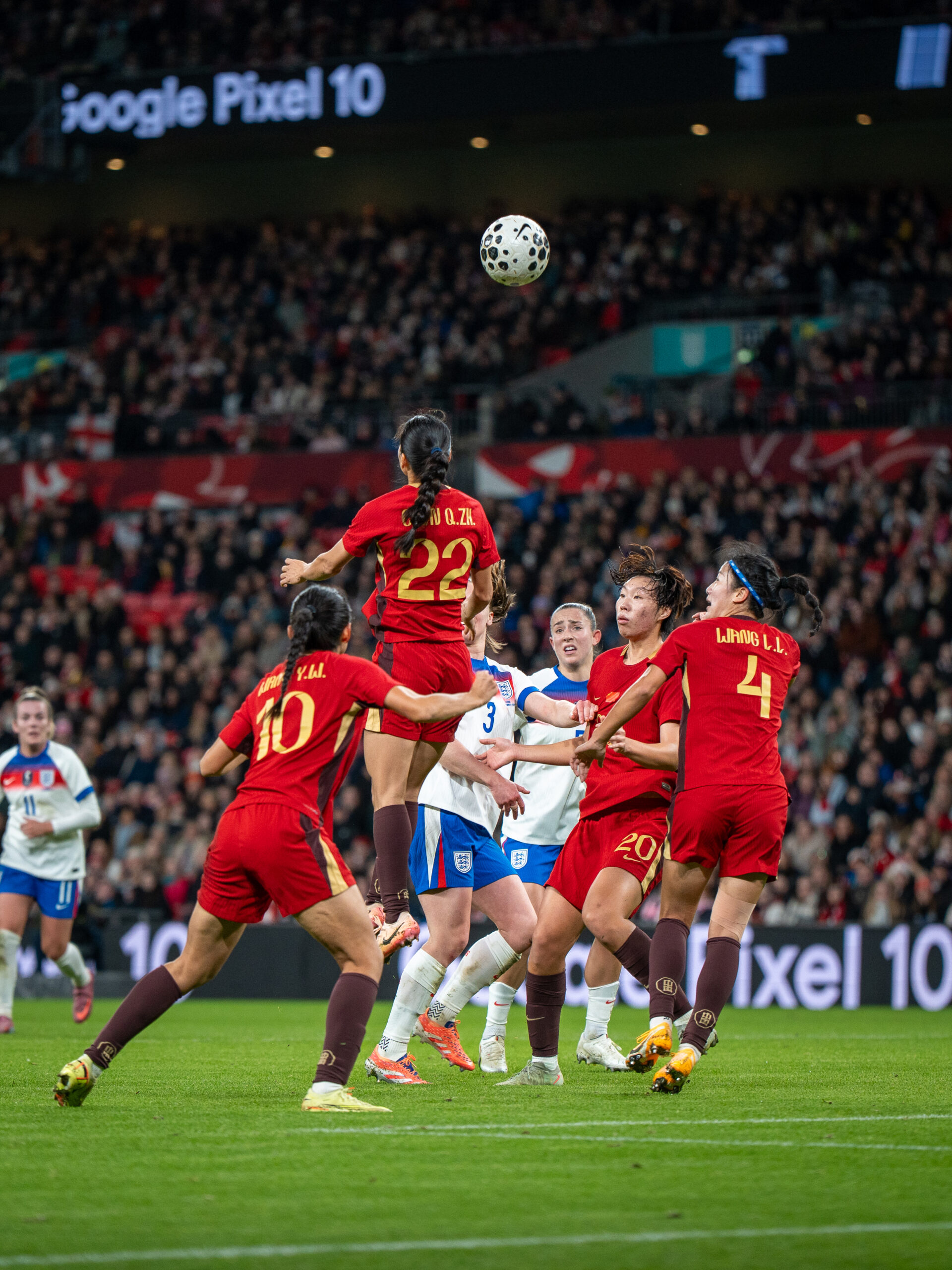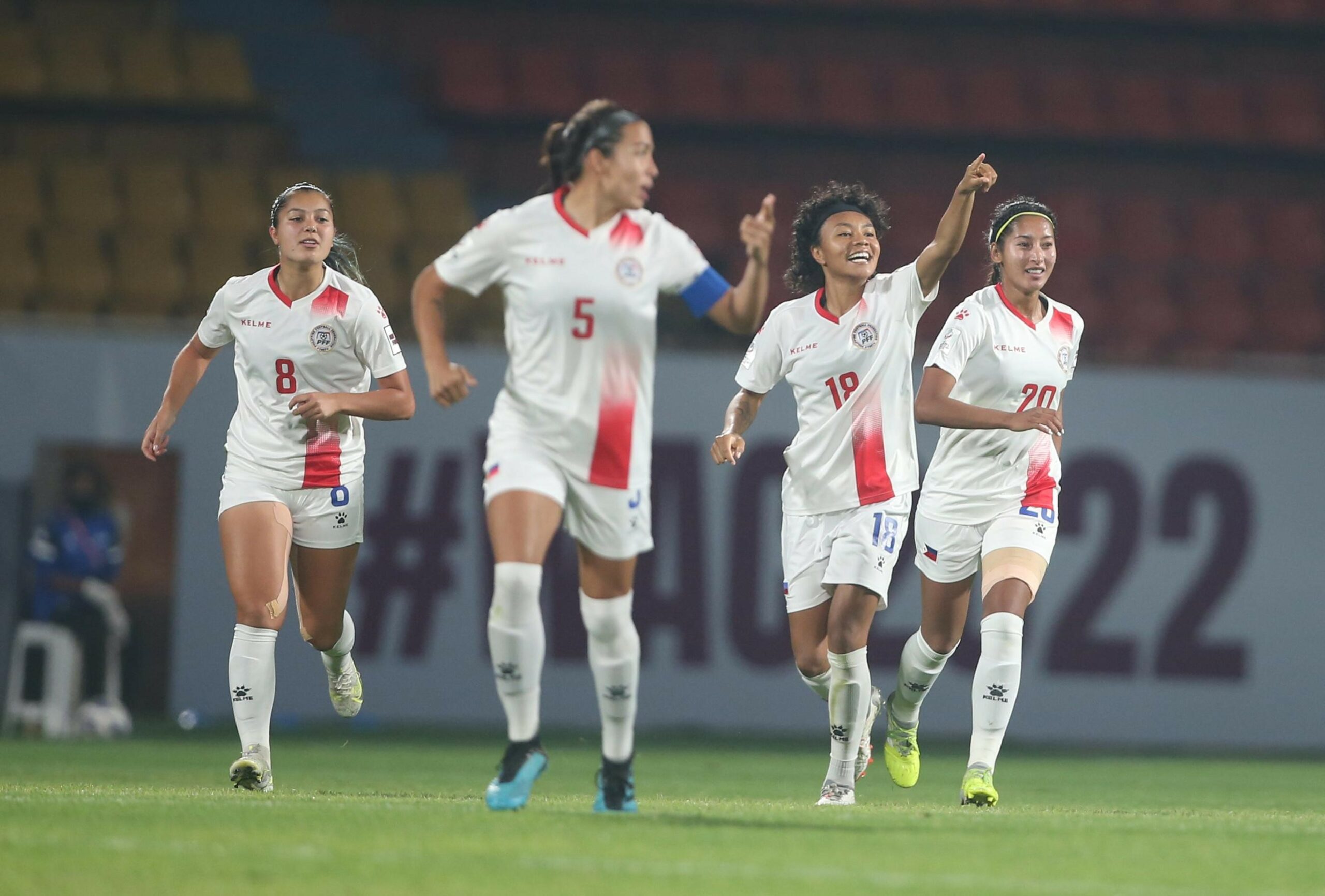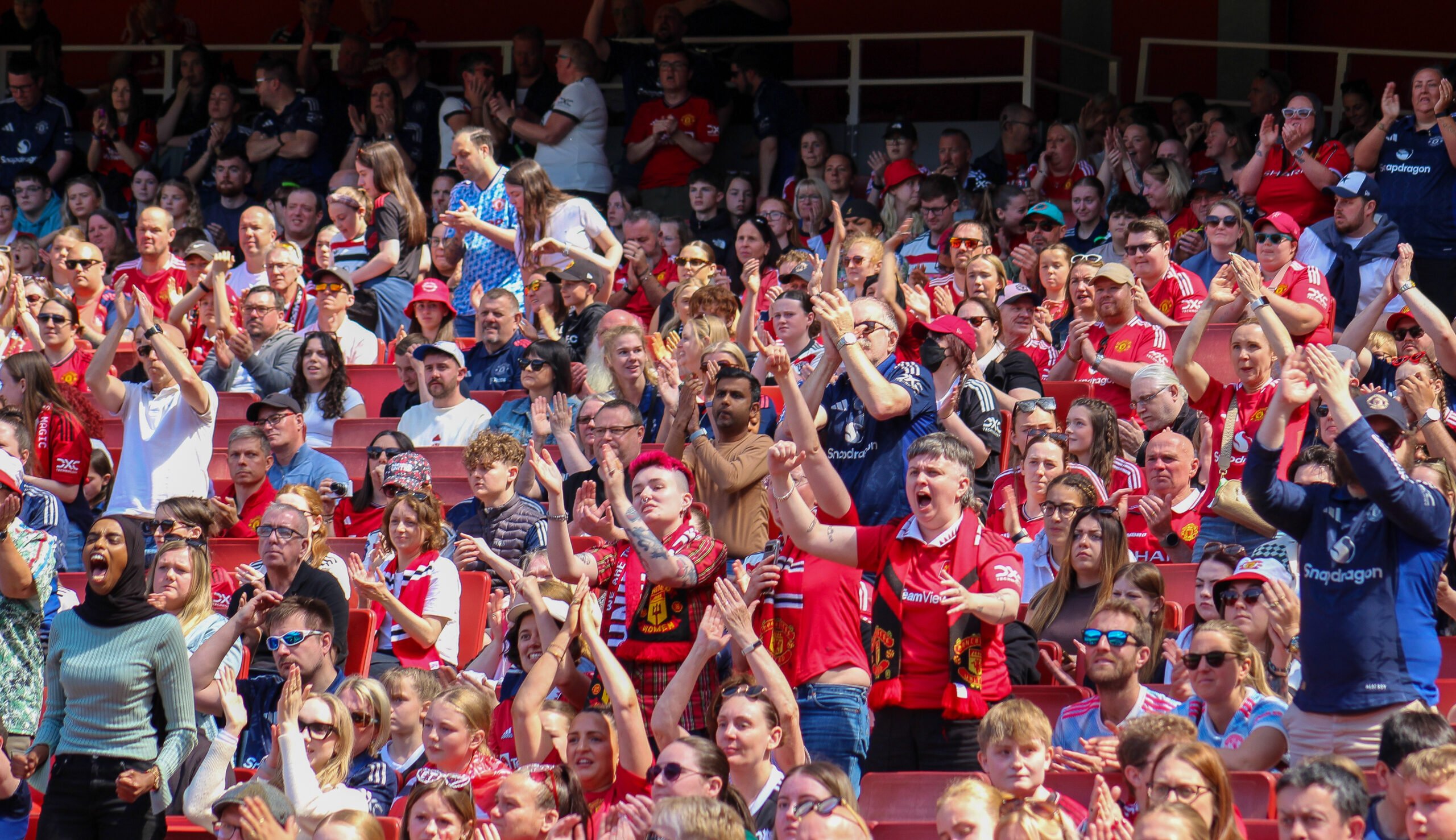
There is a world around women’s sport being built and there is a need to understand what that means. Social content, brand partnerships, events, fashion, music and digital culture are all contributing to how people understand what women’s sport represents. For many people, these touch points come long before they ever watch a full match. That context is reshaping who feels welcome within the fan community and this is an important shift.
I’ve noticed there’s a growing layer of fans who don’t necessarily arrive through deep knowledge of the game. They might follow a player because of their style, save a clip because it feels emotionally familiar, or attend a local event because it feels like a space they belong in. This is the era of the casual fan, and it’s one of the biggest opportunities in women’s sport right now. These fans are not disengaged and certainly not unimportant, they’re just entering through different doors and operating in different ways and that’s something we need to have more visibility around.
Building out cultural touch points is what allows that to happen. When clubs, leagues and rights holders start thinking beyond the regular match stats and promotion, they allow fans to enter into the space who may feel disconnected from the in-crowd. Something I’ve previously spoken about is the imposter syndrome that many fans may feel entering the space, something that has long been a factor within men’s sports and I fear may be translating over to the women’s game. A feeling of “this space isn’t for me and I don’t belong” and “I don’t know enough about it, so I don’t feel I should enter the space.” Clubs and brands thus have a duty to break down this barrier and create a space for people to casually enter the space without feeling a wave of judgement.
The way we can do this is through brand partnerships feeling more culturally aligned to wider society, social content with personality that operates independently as entertainment content, and storytelling about the world itself. This kind of approach allows women’s sport to exist in conversation with wider culture rather than in isolation of itself, something that can’t happen when a sector is in its growth stage.
Social media plays a central role here because it holds multiple touchpoints at once. It’s where discovery happens now more than ever. Yes social is becoming its own search engine but it still holds that ability for prospective fans to stumble across entertaining content from women’s sports, in the same way they would with a new music artist or tv show.
Because of this, socials are becoming the best channels to communicate who exactly you are, showing the personality and culture of your brand or organisation. Research into fan engagement consistently shows that social platforms influence awareness and affinity long before the purchase or attendance to match stage. When content is built only for existing fans, it narrows that funnel and never starts to hit the new fans who are waiting at the top. When content considers those earlier stages, it opens that door and invites new people in.
The casual fan matters because they are that next layer of growth. They are often the ones sharing content outside traditional sports circles, bringing new audiences with them, audiences who may even become more committed fans than themselves. They are the fans who might not know every player yet but feel emotionally connected to the space. Over time, that connection deepens or importantly it doesn’t have to! They still make up a valuable proportion of fans and should be treated as just that.
Creating for this demographic doesn’t mean that we’re diluting the sports content we already have. It just means adding that extra layer of thinking to your strategy.
This is where PR, comms and digital strategy intersect and something I’ve been working on with brands and clubs in the space. Expanding the world of women’s sport requires intentional storytelling that understands the culture around the sport. It means spotting where the game naturally overlaps with other industries and leaning into that with confidence. When done well, it has the ability to build you that relevance to the wider casual fan thus unlocking a greater audience.
Women’s sport has the freedom to do this in a way many established sports don’t. There’s room to shape how fans exist within the ecosystem of the game and that should be a priority going into 2026 for brands and rights holders.