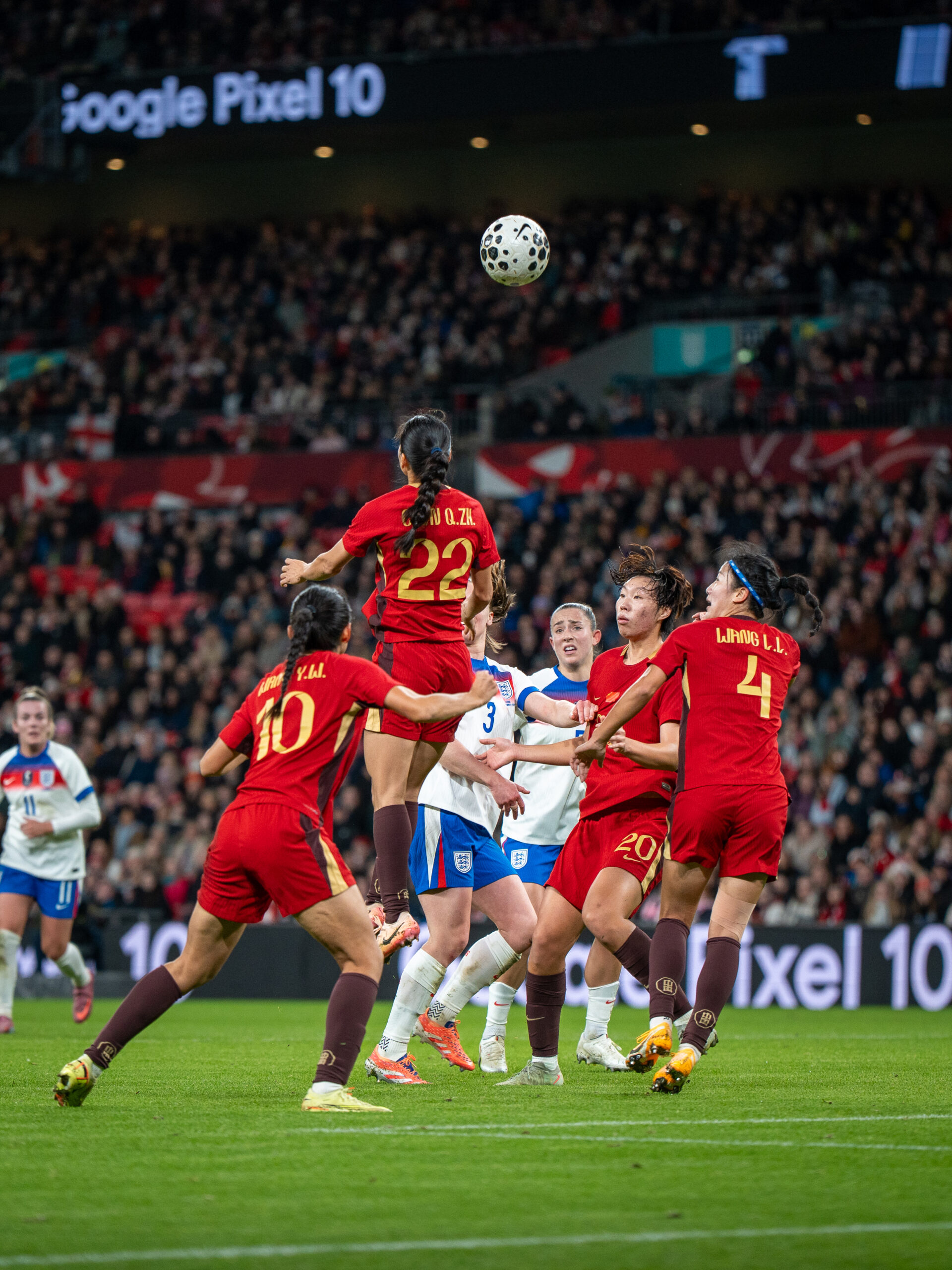
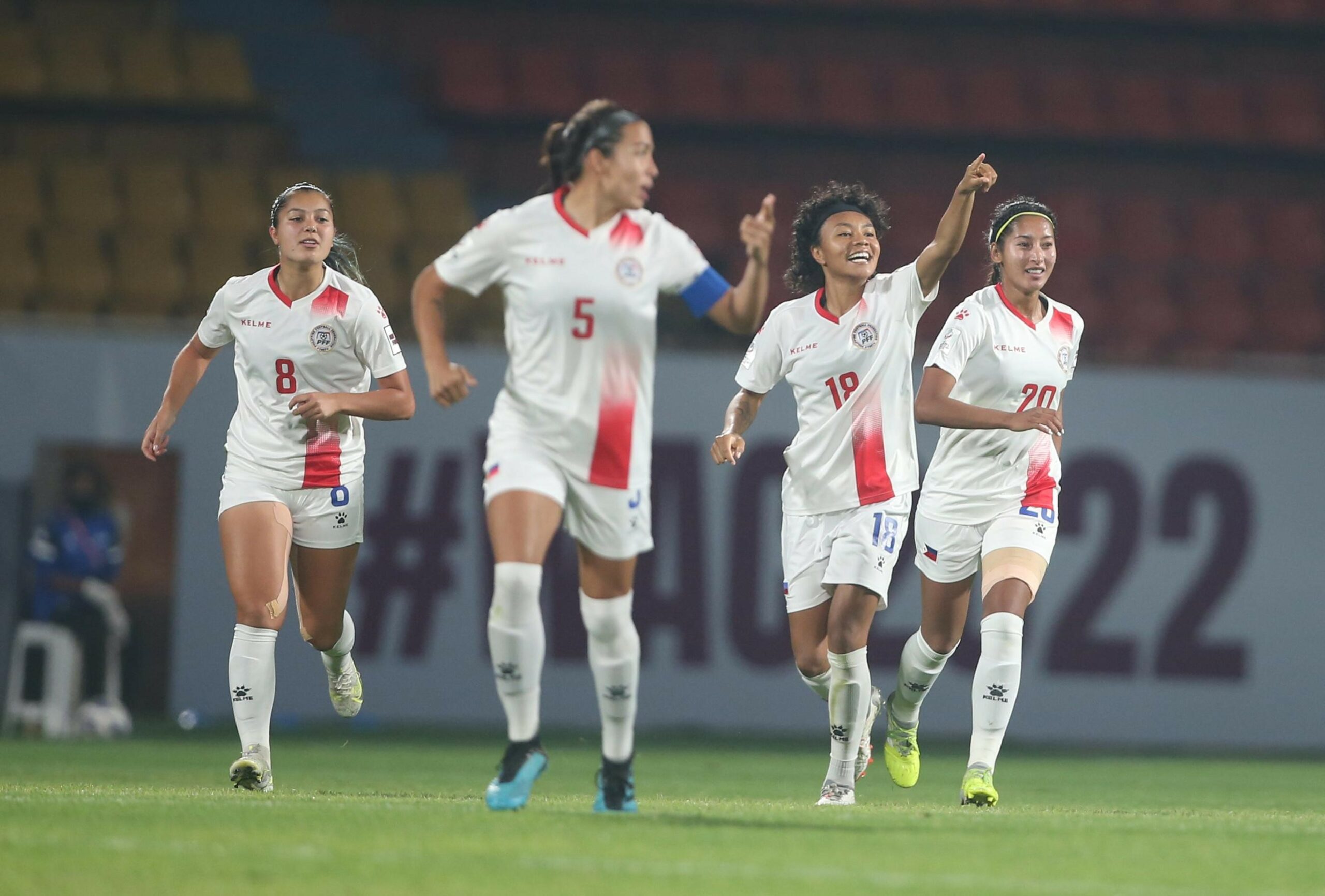
Women’s football has never been more accessible. With record-breaking attendance, growing television deals, and more media coverage, the sport is finally getting the recognition it deserves. Yet behind this progress lies a harsh reality: women footballers are still retiring earlier than men. Why is this happening and can anything be done to reverse this trend?
FINANCIAL
One of the biggest factors in this issue is financial instability. According to the 2024 FIFA annual report, the average salary for a female professional football player is $10,900. As a result, many women have to prioritise financial security over staying in the game longer.
While elite male players can count on football for a long-term career, many women must balance training and matchdays with full-time jobs or school. This imbalance puts an unsustainable strain on players both physically and mentally, often leading to early burnout and retirement.
A prime example is former Como and Italy defender Alia Guagni, who printed her CV onto her shirt for her last game to highlight the challenges women players face after retiring from football.
Speaking to The Guardian, Guagni said:
“I was fortunate to have a plan, but balancing preparation for the future with the demands of professional sport is never simple.”
Her message resonated throughout the women’s game, revealing a reality many players face quietly once their careers end.
MEDICAL
Another reason for early retirement is medical issues. The well-known “ACL epidemic” in women’s football continues to raise concerns. Female players take an average of 300 days to return to football after an ACL injury. Alarmingly, 8.8% of players never return, according to ScienceDirect.
Although awareness of female-specific injuries has improved, access to top medical facilities and specialist support is still uneven across women’s football. Many players do not get the same level of long-term rehabilitation or protection that male players receive, especially outside the top divisions.
Poor pitch quality is also a persistent problem, especially at lower levels, and has been linked to the high number of injuries in women’s football. Combined with short contracts and limited job security, injuries can push players into early retirement, even when they still want to play.
CONTRACTS AND JOB SECURITY
Another significant factor is the lack of long-term contract security in women’s football. One-year deals are still common, leaving players uncertain about their futures. This instability makes it tough to plan financially, personally, or professionally and raises the risk tied to injury or loss of form.
In contrast, longer contracts in the men’s game provide players with the stability they need to recover from injuries, manage performance drops, and extend their careers. For many women, the absence of this security means stepping away from football feels like the safer choice.
Conclusion
Women are not retiring earlier due to a lack of talent, ambition, or commitment. They are doing so because the structures surrounding the game still fail to support long-term careers.
While progress in women’s football is undeniable, it remains uneven. Increased visibility at the top cannot hide the financial insecurity, medical challenges, and contractual instability many players face in the sport.
If women’s football is to continue growing sustainably, the focus must shift from just exposure to supporting career endurance. Until players are provided with financial security, reliable medical support, and long-term stability, early retirement will remain a sign of systemic inequality rather than a personal choice.