Arsenal Women are one of the most well-supported teams in women’s football. Few clubs have done a better job of marketing, building a community and making supporters feel like they belong. They have created a club centred on culture, identity and the matchday experience. But as results continue to disappoint this season, how long can that keep working? When will the excitement start to fade? Is being Arsenal enough anymore?
Being an Arsenal supporter has become about more than watching a game. The club understands that football extends beyond what happens on the pitch, and its marketing sells an atmosphere, the players’ personalities and the feeling of being part of something bigger. Hosting all of its WSL home games at the Emirates Stadium for a second consecutive season has made that identity even stronger. It is an approach that has helped Arsenal build a significant following, but it also brings expectations.
So far, the football has not matched the brand. An impressive summer transfer window gave supporters plenty of reason for optimism, with many expecting a genuine title charge. Instead, Arsenal have struggled for consistency, collecting just 10 points from their opening eight league games. For a club with their financial resources, infrastructure and ambitions, that is a disappointing return.
The attendance figures also tell an interesting, if not yet conclusive, story. Arsenal attracted 23,900 supporters for their home game against Crystal Palace, before 29,853 attended the meeting with Manchester United. That figure dropped to 19,426 against Birmingham City, while 23,891 watched the draw with Aston Villa. There is not yet evidence of a sustained decline, but these fluctuations raise questions about whether the initial excitement can last when performances continue to disappoint.
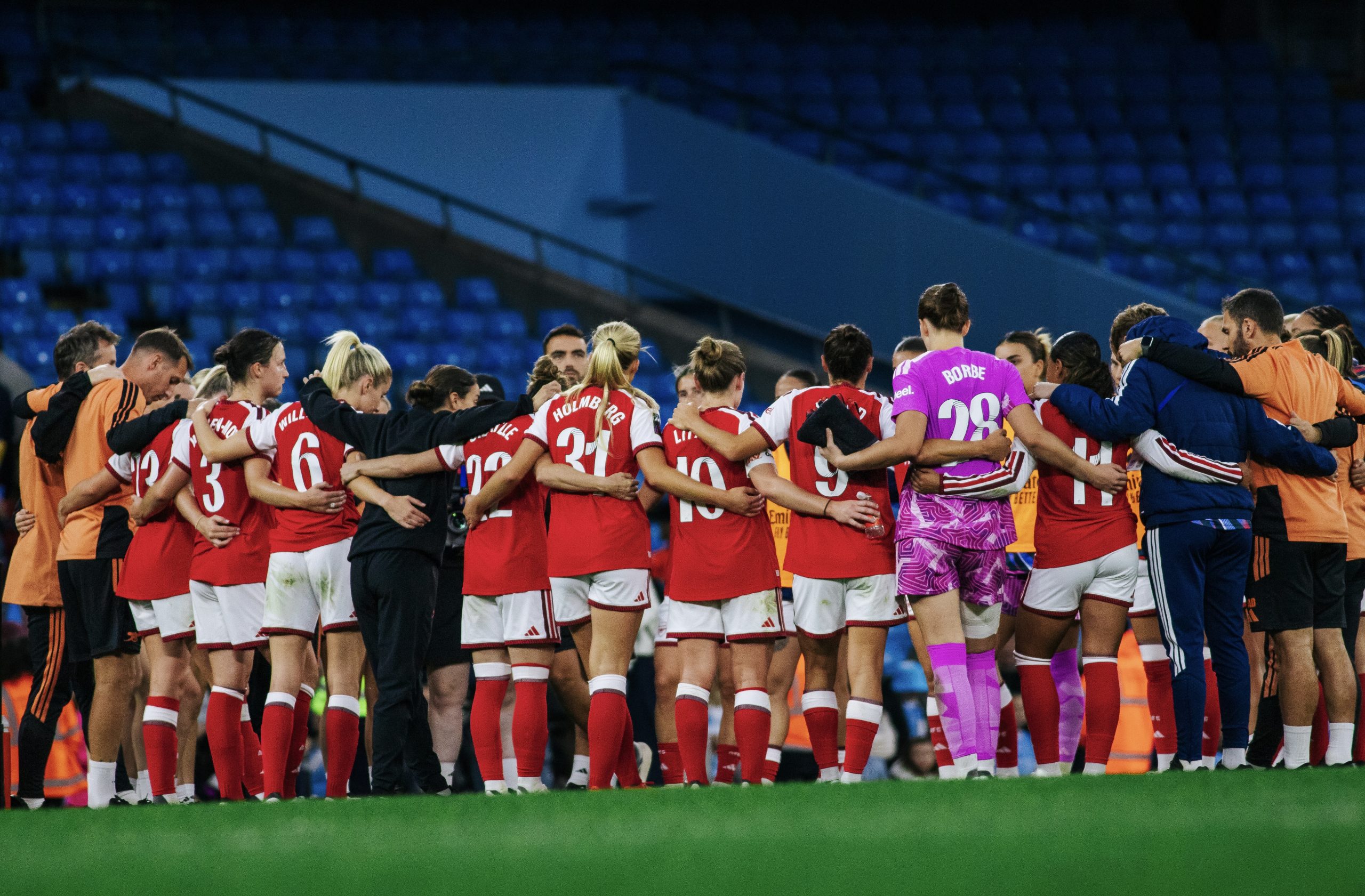
More concerning, however, is what is happening inside the club. Following a 4-2 defeat to Manchester City, head coach Renée Slegers promised a review of the team’s training programme and wider approach during the October international break. When Arsenal returned to league action, they could only manage a 1-1 draw against Birmingham City. Wins against Tottenham and Benfica offered some encouragement, but the draw with Aston Villa brought familiar problems back to the surface.
Arsenal once again fell behind and struggled to break down their opponents. Despite registering 21 shots, they created only one big chance. The problem is not simply that results have been disappointing, but that the same issues keep appearing. What actually changed following the review? More importantly, who is accountable when those problems continue?
Slegers cannot be held responsible for every issue, but that does not mean scrutiny should stop with her. Recruitment, the team’s tactical direction and the wider management of the women’s team all deserve examination. The club’s leadership continues to publicly support Slegers, but stability should not become an excuse for a lack of improvement. If Arsenal want to compete at the highest level, supporters deserve to know how the club plans to address its problems.
Perhaps the greatest strength of Arsenal’s fanbase is also what makes this conversation so difficult. For many fans, being part of the club is about more than winning,it is about friendships, matchday traditions and belonging to a community. But loyalty is not the same as complacency. Fans can appreciate everything the club stands for while still demanding better performances. Being critical does not mean being against the club, just as continuing to attend matches does not necessarily mean supporters are happy.
Ultimately, Arsenal cannot rely on culture to compensate for sporting shortcomings forever. Their marketing, community and matchday experience have helped establish one of the most recognisable names in women’s football. But brand recognition does not guarantee unconditional loyalty. Arsenal have done an exceptional job of selling the dream; now they need to show supporters why they should continue believing in it, before it’s too late.