The AFC Women’s Asian cup is a tournament for football teams to compete to be crowned Asia’s best. Since the first Women’s World cup in 1991, this competition has doubled as a pathway for Asian teams to qualify for the biggest tournament in women’s football. To prepare for the competition, Japan redefined its identity by taking the traditional strengths of Japanese football tactical quality and intelligence and reinforcing them through speed and high intensity, established by players regularly competing in the strongest leagues in the world. Having a national team consisting of players in highly competitive leagues is not just an exception, but standard practice.
How competing overseas transformed the team
Manchester United’s Hinata Miyazawa is a formidable model of how competing overseas helps to improve one’s talents. As she reflects on her adaptation, Miyazawa explains that competing against opponents of differing statures and physical capabilities pushed her to rethink how to win duels and now relies on decision making and angles rather than strength alone.
Japan’s women’s national team have been largely successful at youth level in the past, winning the U17 Women’s World Cup in 2014 and the U20 tournament in 2018, making them the first nation to achieve world titles across every age group. However, that success did not translate at senior level. When up against professional European sides, the young Japanese players encountered challenging barriers.
Fuka Nagano, who wears number 10 for Japan, says that training with Chelsea at a young age was a significant moment.
“Until then, I had only competed against other youth teams. Training with senior professionals, I realised I couldn’t do it all”.
The midfielder then goes on to say that:
“I felt, from the bottom of my heart, that I wasn’t ready for the world.”
Although Nagano experienced overwhelming feelings due to early exposure at Chelsea, it improved her abilities, as she is now an established midfielder for Liverpool Football Club.
It is estimated that nearly 90% of the national team are based abroad, as many Japanese players have made the move overseas. As more players have adapted to the fast paced nature of the top leagues, the quality of the team has moved to a new level.
Japan’s journey so far
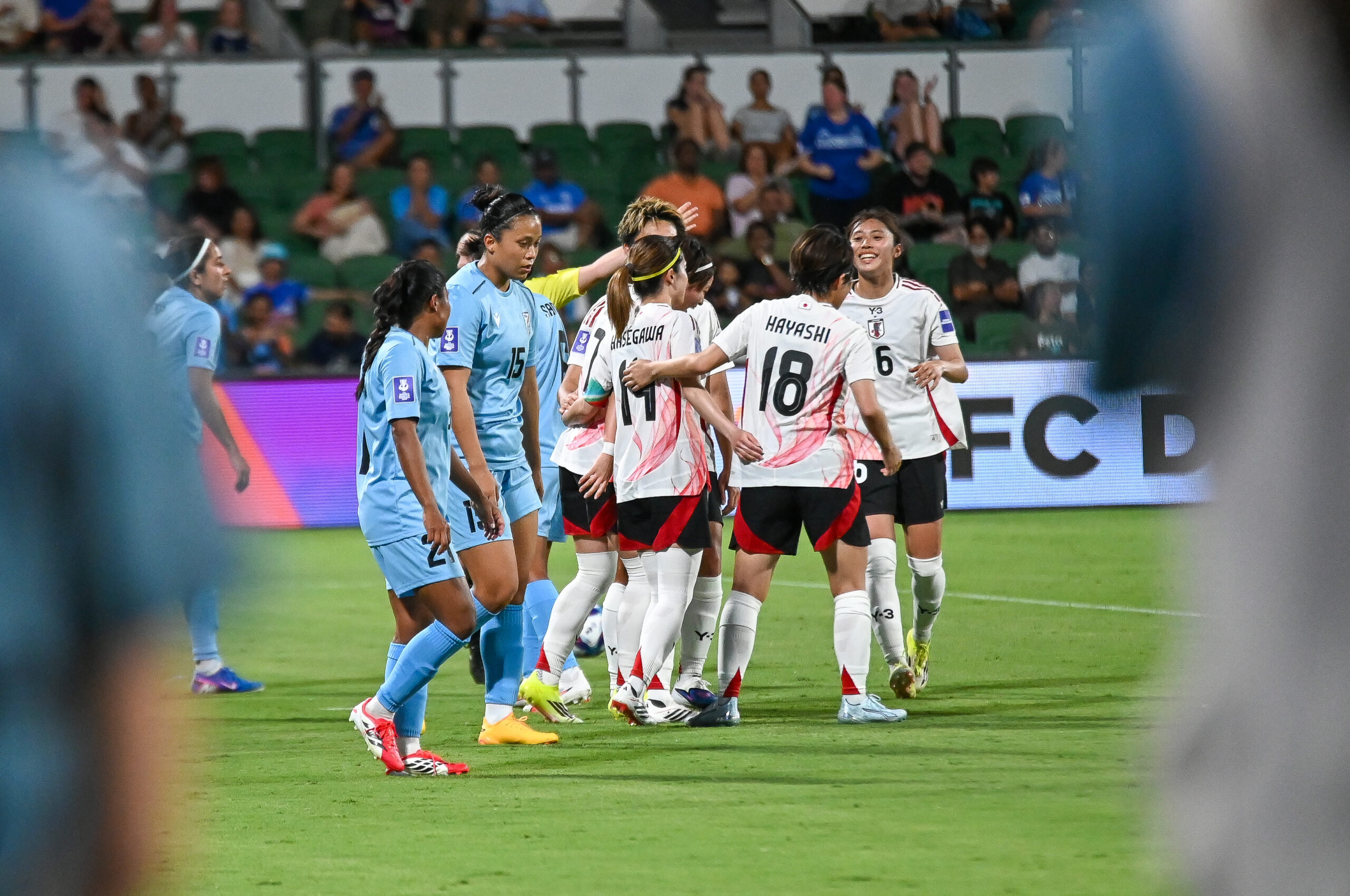
Japan have hit the ground running so far in the tournament racking up an impressive 17 goals in the group stage and none conceded. Head Coach, Nils Neilsen is the first foreign manager in the history of Japan’s Women’s national team and has had a positive impact on the team since his appointment in December 2024. Following Japan’s 4-0 victory over Vietnam, Nielsen expressed his thoughts on the game and expects more from the players.
“There were a few things we could have done better in the first half, but we improved in the second half…I think we need to show that we can defend as well, not just attack. We’ll spend time on that in the coming days”.
These comments highlight Nielsen’s ambitions to accomplish a lot more despite their evident success in the group stage.
After topping Group C, Japan are into the quarter finals of the AFC Women’s Asian Cup and will face the Philippines on Sunday 15th March.