As with all who are reading this, football is an intrinsic part of our lives. For as long as I’ve had a memory, the sport has been there. Yet, for a long time, my relationship with the sport was far from simplistic. Throughout my teenage years, I felt conflicted and confused about who I was and whether the thing that I loved the most felt the same way about me. The entrenched stereotype that queer men did not belong in football would relentlessly torment me for far too long. After discovering and falling in love with women’s football, I am proud to say that football has a place for me.
I remember, waiting with batted breath at my grandparent’s terrace house in East London, for my dad to return home from Highbury with almost mythical tales of what he had witnessed that Saturday afternoon. These were the days of Henry, Bergkamp and Pires dismantling all those who had the audacity to challenge them. I knew I had found my passion.
I would devour anything and everything to do with Arsenal. Books, programmes and season review DVDs would fill shelves in my bedroom whilst my walls were decorated with posters of my idols. Without knowing it at the time, those particular DVDs would impact me in ways that were unfathomable to me at the time. They were my first introduction to Arsenal Women and the world of women’s football.
Each DVD would dedicate a small section to the progress of the women’s team for that season. I became familiar with names like Kelly Smith, Faye White and Rachel Yankey; discovering that Vic Akers was the kit man for the men’s team whilst managing the women’s team at the same time. Most importantly however, I realised that Arsenal Women weren’t just successful, they were peerless. Whether that was based on the vast discrepancy in women’s football at the time or the fact that Arsenal were just that good is a separate argument, but an early impression was made on me.
Yet, at the time, this discovery did not lead me to follow the women’s team or women’s football. I would not have known they played in Borehamwood, let alone where Borehamwood was. I would not have been able to name any of the mangers in the post Akers era. I have no recollection of watching any women’s football pre 2019 other than a few FA Cup finals here and there on television.
As I entered my teenage years, my love for football grew and grew in what was a puzzling time for me personally. The adolescent cocktail of hormones, angst and puberty had begun to take over. Boys in my year at school were endlessly discussing which girls they fancied whilst I remained unsure as to why I felt differently to them. I would often tell myself that “I like football, I couldn’t possibly be gay”. This may seem like an absurd notion to those unfamiliar with the sport, but I doubt this experience was unique to me.
Men’s football has had a regrettable past of homophobia. In 1990, Justin Fashanu became the first professional men’s football to be openly gay and was hardly accepted with open arms. After coming out, Fashanu described his career suffering “heavy damage” in a 1991 interview with Gay Times. He was unable to solidify himself at one club post coming out before taking his own life in 1998. Since then, openly gay players in men’s football have been few and between.
Robbie Rodgers announced his retirement in conjunction with coming out before briefly returning to football. Rodgers himself said he initially made the decision to come out after his playing career had concluded due to what he described as “the circus” of the media and fans in an interview with The Guardian. Former German international Thomas Hitzlsperger followed a similar path to Rodgers by coming out after retiring.
A 2022 report into online abuse of professional athletes found that homophobia was responsible for 40% of all online abuse aimed at male players. What was most preposterous about this finding was that the abuse was aimed at players who weren’t known to be LGBTQ+. What it did document was that a significant portion of online football fans felt that someone’s sexuality was worth insulting. That even male footballs who dressed in “non-masculine ways” or supported LGBTQ+ rights were subject to this abuse.
Currently, players such as Jakub Jankto, Josh Cavallo and Jake Daniels have, intentionally or not, established themselves as queer icons within football. A whole new generation of fans will benefit from their bravery.
So for me, growing up, I did not have role models to look up to in men’s football; to let me know it was okay to be who I was whilst also adoring football with every fibre of my being. It would not be hyperbolic to say that discovering women’s football placed me on a path that 15-year-old me could never have seen coming. After a particularly painful defeat to Chelsea in the 2019 Europa League Final, I grew increasingly frustrated with the men’s team and, to put it bluntly, wanted to watch an Arsenal side that won things.
This perfectly coincided with the 2019 World Cup. I watched everything possible related to that tournament and quickly fell in love with the sport. Despite Steph Houghton’s heartbreaking penalty miss against the United States in the semi-final, I was hooked. It was also my first exposure to women’s football’s inherent queerness. Pernille Harder and Magdalena Eriksson’s kiss became one of the tournament’s most indelible images. It demonstrated to me that maybe I did have a place in football.
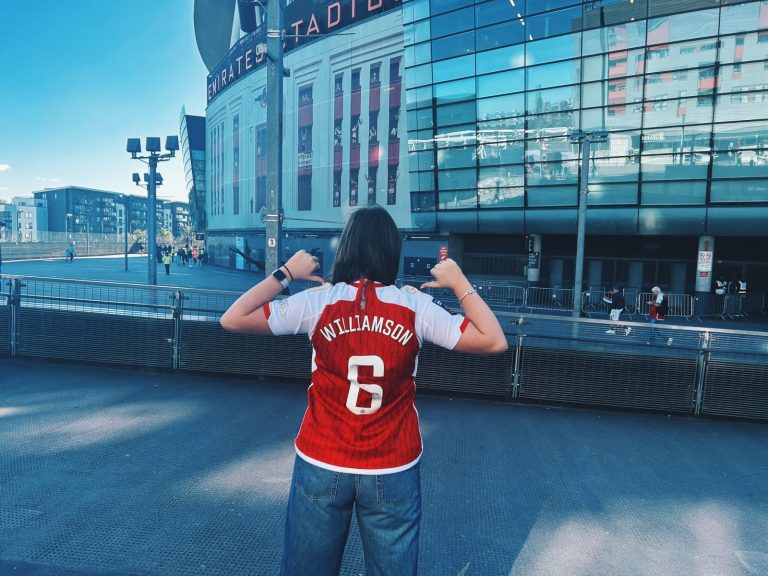
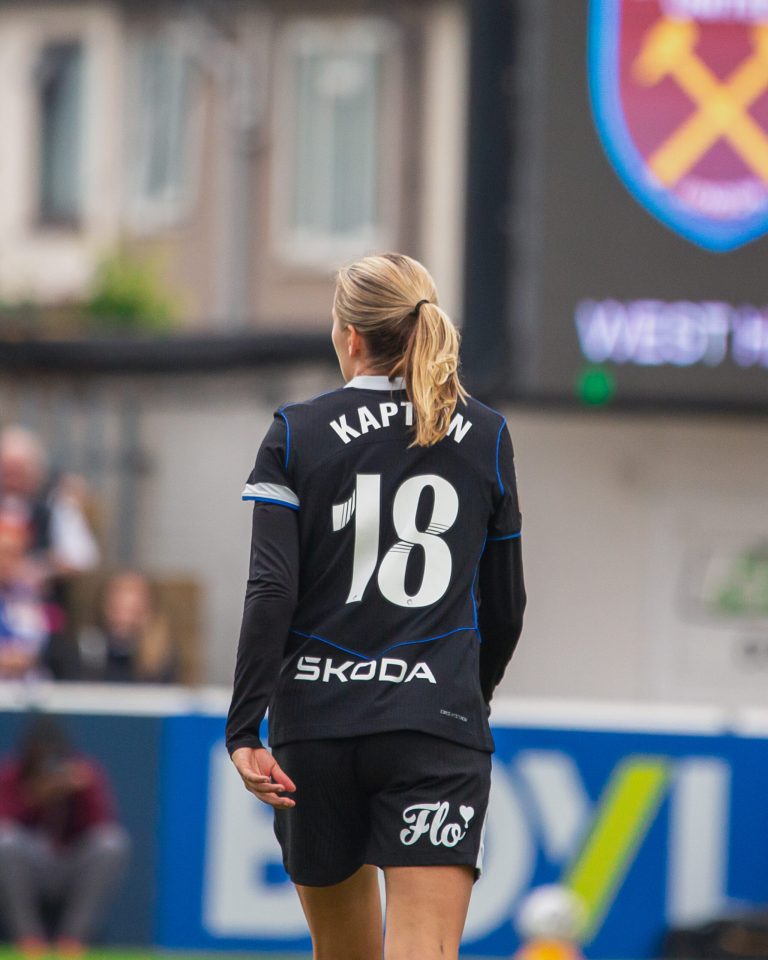
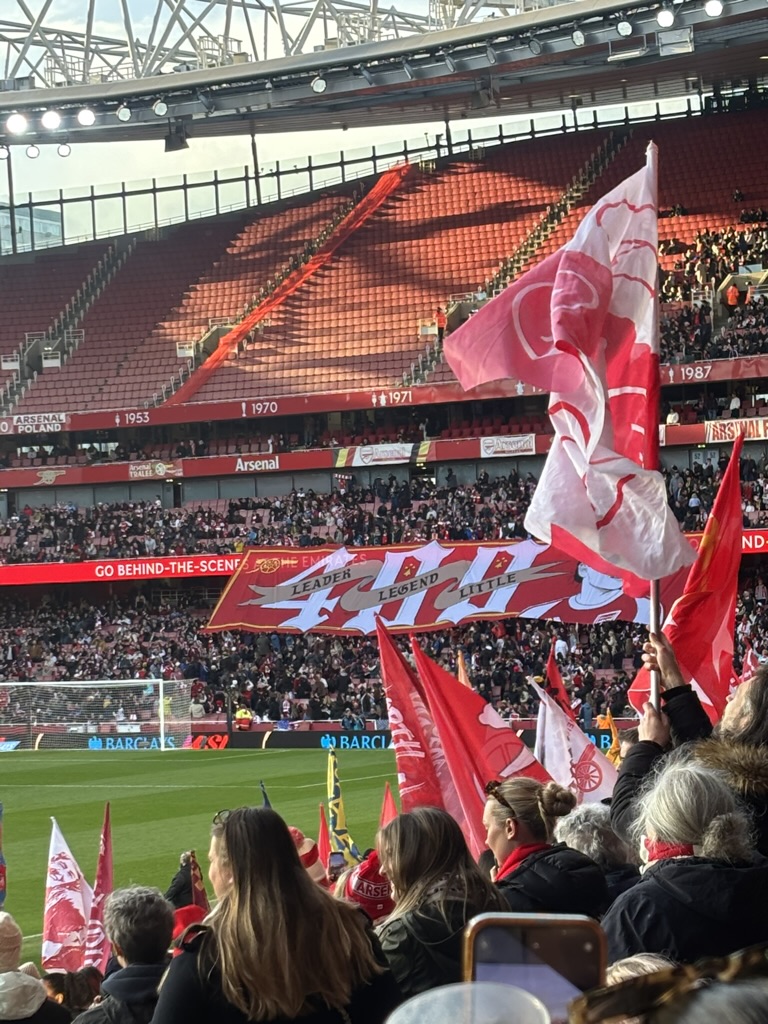
I knew I wanted more. I rapidly bought tickets for Arsenal’s opening game of the 2019/20 season against West Ham. An unremarkable 2-1 win for The Gunners did not deter my budding passion for women’s football. Since then, I have travelled up and down the country and abroad, following the Arsenal.
Crucially, I found that my sexuality and my love for football could be compatible. Since watching and understanding the culture of women’s football, it has impacted how I understand the sport and how I understand myself. The openness of both its players and fans has radically shifted how I view the sport. I have made wonderful friends through the sport who are all unapologetically themselves and who inspire me to do the same every day. Women’s football has changed my life.