Although the summer break has brought a pause to the women’s football calendar, the FIFA Men’s World Cup has attracted attention for its increasing visibility of women within the tournament.
Being held across three countries with differing political contexts, the tournament was predicted to only highlight divisions. However, the involvement of female footballers, managers, referees, and team staff is where we can positively commend the tournament.
In the build-up to the World Cup rival brands Nike and Adidas released adverts that read like short films, promoting their football boots and World Cup kits. The adverts featured all of football’s biggest faces, including several leading names from the women’s game.
The Adidas advert starred Lamine Yamal, Jude Bellingham, Timothée Chalamet, and NWSL star, Trinity Rodman. Not only was Rodman featured, but she was sitting in the driver’s seat of the car, and equally, was teamed up with Yamal and Bellingham, placing her as central to the plotline. Notably, she received more screen time than several high-profile male players, including Ballon d’Or winner Ousmane Dembélé, Barcelona stars Pedri and Raphinha, and Liverpool’s record-breaking signing Florian Wirtz. The advert reflected a broader trend within football marketing, where female players are increasingly being positioned alongside their male counterparts as key representatives of the sport.
Nike adopted a similar approach, featuring both Alexia Putellas and Kerolin Nicoli in its World Cup campaign. Putellas’ inclusion follows the release of her signature Nike boots and personal logo earlier this year, making her the first female footballer to receive such recognition from the brand. Alongside her, Man City’s Kerolin highlighted the growing profile of women’s football across different leagues. Together, their presence demonstrated the increasing integration of women’s football into global campaigns across the game.
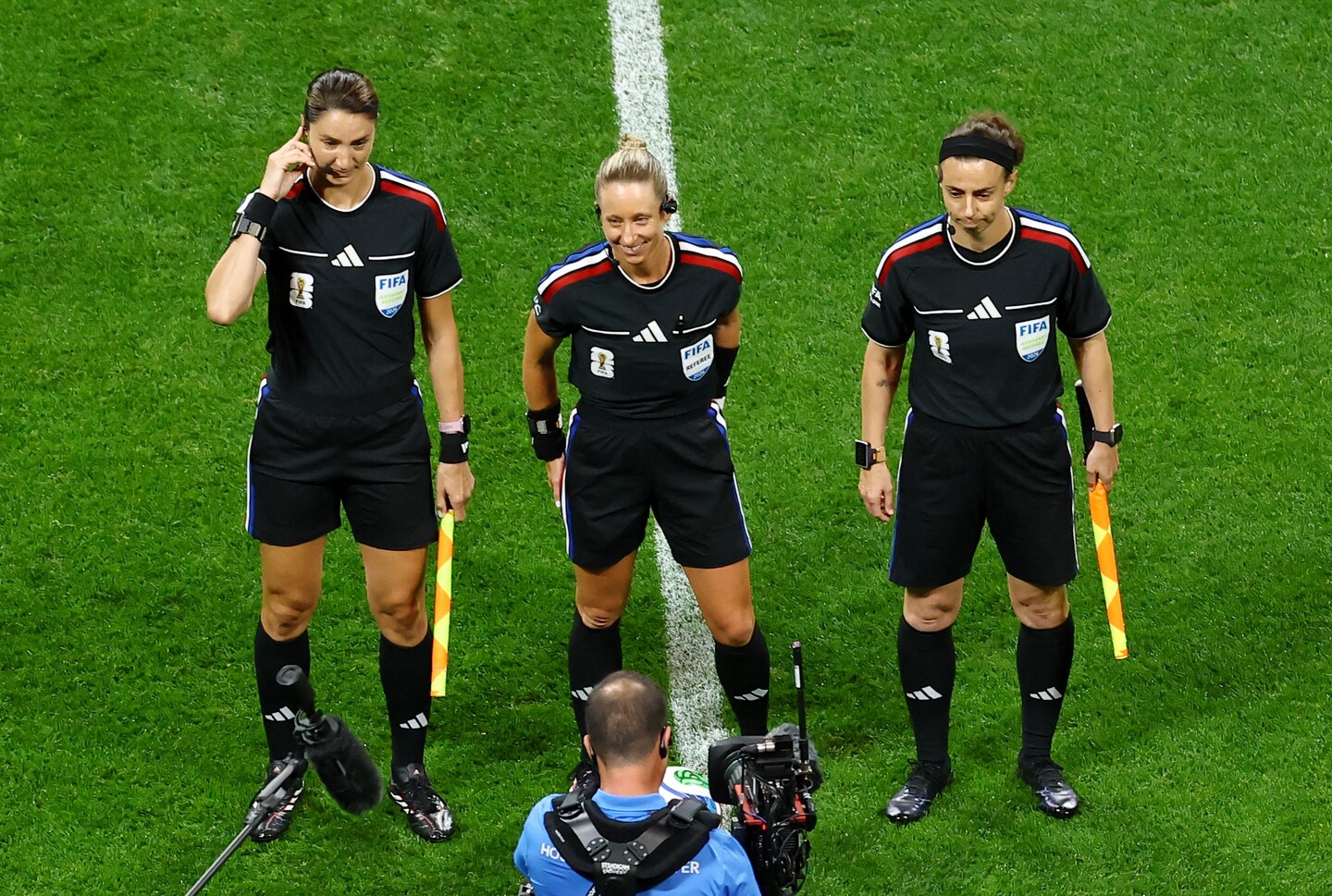
The tournament itself has also reflected this trend with six female referees being appointed. The six consist of two central referees, three assistant referees, and one video match official. This is a step forward from the Qatar World Cup in 2022, where there were only three female referees. Yet, while the rise in representation marks progress, women still account for only 6 out of the 170 match officials, suggesting that opportunities for greater inclusion remain.
Yet, positively, these women are each creating history in their own right. Tori Penso became the first American woman selected to referee the Men’s World Cup. Having officiated in the NWSL before moving to the MLS, Penso has now worked at both the FIFA Women and Men’s World Cup tournaments. Another historical moment comes with the appointing of Katia Itzel García, who becomes the first Mexican Woman to referee a men’s World Cup. Kathryn Nesbitt and Karen Díaz Medina also made history by being the first women to officiate at the men’s World Cup in Qatar and have now returned for a second consecutive tournament.
The exposure for these female referees, having their identities promoted on the largest stage of men’s football is so crucial for the normalisation of female presence in male sport. Their participation highlights the expanding opportunities available to women across different areas of the sport, increasing representation within a traditionally male-dominated environment.
The integration stretches beyond the pitch and to the broadcasting and punditry. On ITV, USWNT manager Emma Hayes has been praised for her insightful tactical analysis of the Spain vs Cape Verde match, while Ballon d’Or winner Aitana Bonmatí has spoken daily on TUDN, offering her opinions on managerial decisions and tactical breakdowns. She specifically highlighted the need for Dani Olmo to be brought on during Spain’s tough first game, as he is best utilised “on the left, cutting inside”.
However, the continued barriers facing women in football media were also brought into sharp focus during the tournament. Hayes became embroiled in an ITV sexism row after being made to deliver her analysis using a tiny blackboard on a set likened by viewers to a small kitchen. The segment sparked outrage online, with many questioning whether male pundits such as Gary Neville would ever be placed in a similar setting. One fan wrote:
“Does nothing for the place of women in the game. Hayes is superb. Pioneer. Totally demeaning.”
The inclusion of female voices fosters an environment where women and girls can feel more confident to engage in and debate the game without fear of judgement, while also highlighting that there is still work to be done to ensure those voices are afforded the same respect and platform as their male counterparts.
It isn’t only the big names in the game that are granted the chance to get involved, with even the smallest teams with the quietest reputations creating opportunities to make a larger impact. Not only have Curaçao qualified for their first ever World Cup, but they have made their debut even more significant through the appointment of Suzanne Huurman. She is the only female team doctor at the tournament, and will hopefully enforce a shift in providing opportunity for more women to take up similar roles.
Therefore, as the tournament continues, the increased presence of women across the field reflects a shift in the sport’s landscape. This year’s World Cup is providing a platform for female players, officials, medical professionals, and analysts, to contribute to one of football’s largest events.