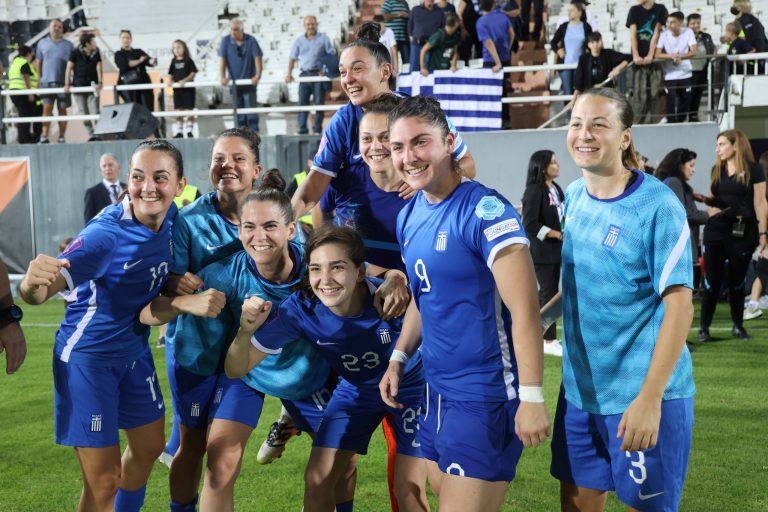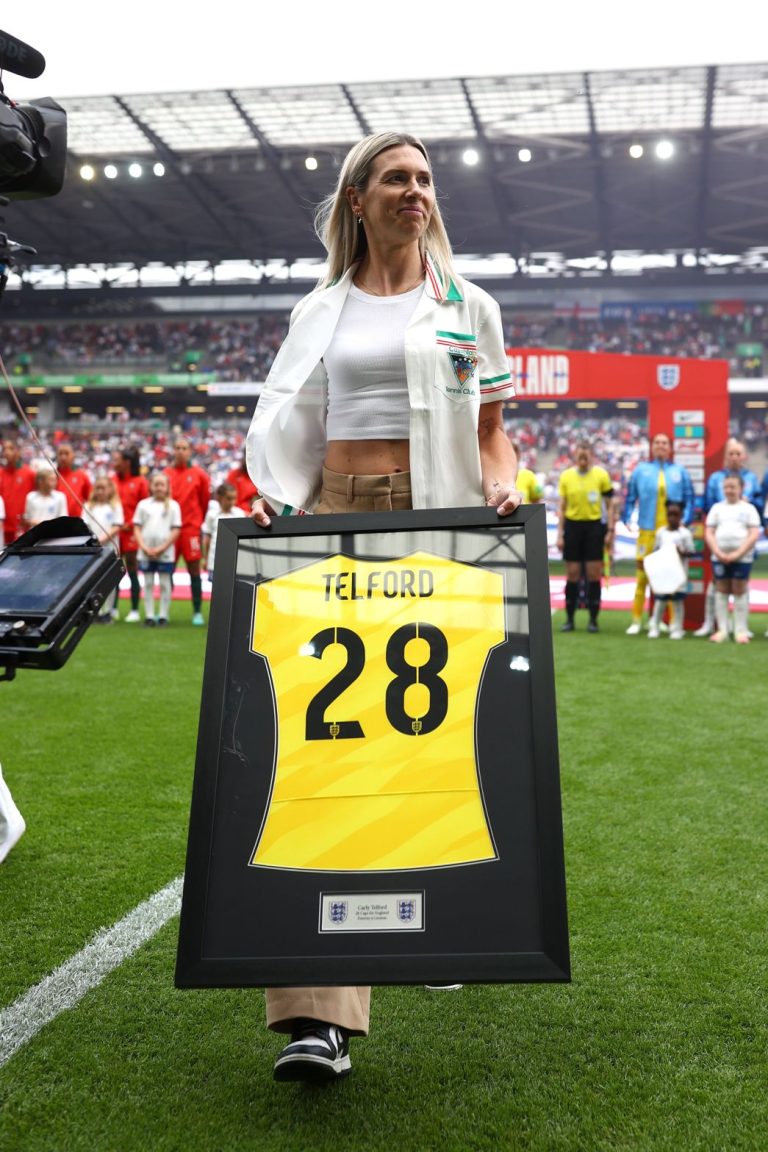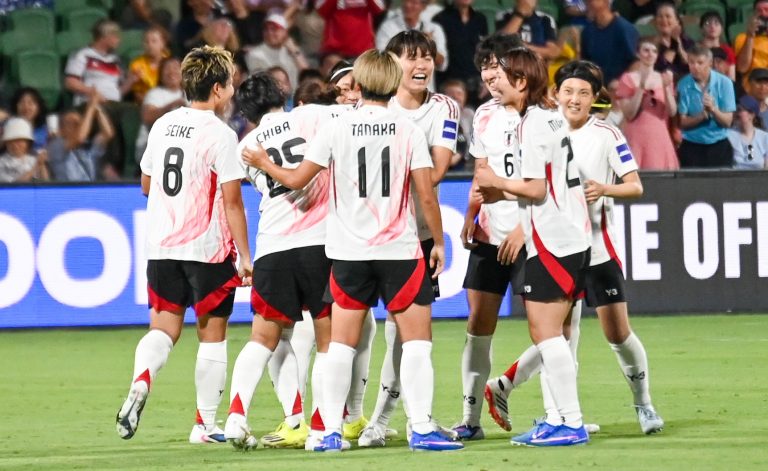
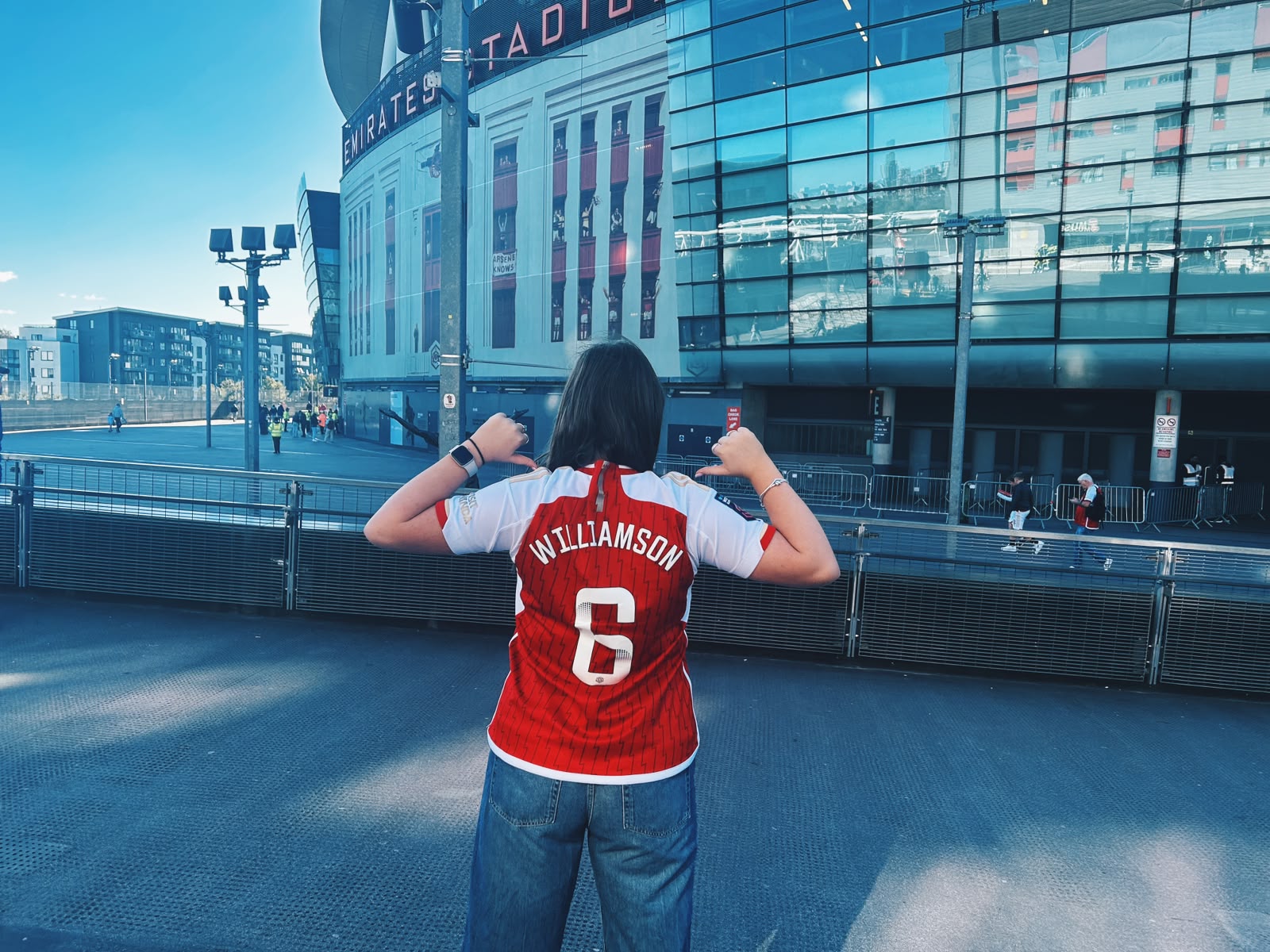
Growing up, football was never really my thing. My family had a passing interest in the England national team, but beyond that, the sport felt like it belonged to someone else – specifically to boys. I remember briefly playing for my primary school’s girls team as a goalkeeper, a position I was just put into because of my height, but it didn’t last very long.
That association ran deeper than just gender. When I pictured football culture, I pictured drinking and shouting. It felt aggressive and unwelcoming, especially as a young girl. I tried a few times over the years to get into the game through men’s teams, but it just never stuck.
Then came the summer of 2022, and the Women’s Euros.
England won the tournament, and I was obsessed. What struck me was how different it felt to watch. The women played with a kind of passion and fight I hadn’t seen before in the men’s team – it seemed like each person played with their heart on their sleeves, and that drew me in almost instantly. Part of what made it feel so important was that women’s football hadn’t always been easy to find. Growing up, I’d rarely seen it on TV, it wasn’t in conversation, wasn’t visible. These players had fought for the right to be seen, and it showed both on and off the pitch.
As a queer person, I had almost prepared myself for the criticism that can come with football spaces due to the amount of hate that is almost instilled in the men’s game.
Yet women’s football surprised me. The atmosphere was different, the culture that has formed around the women’s game is more open and accepting. In many ways, it has been a sport for women who don’t fit neatly into what society expects of them, and that unfortunately includes LGBTQ+ people. Several women’s footballers are openly gay and in same-sex relationships, so the representation and visibility is always there.
Being able to show up as my full self is something I don’t take for granted. Sometimes it’s hard to believe that in football of all places, I found that, and that’s something I don’t think my younger self would ever imagine saying.
The club I support has a supporters’ group that organises meetups before every game, home or away. The first time I went along, I didn’t know what to expect. What I found was one of the most welcoming spaces I’ve ever walked into. It didn’t matter who you were, where you came from, what you looked like. Everyone was there for the same reason, and that shared interest was enough to make strangers feel like friends.
Clubs across the game do a better job now of marking Pride month with the posts and the gestures of solidarity. That visibility matters, but it also draws out the hate. We’re not there yet, especially not in the men’s game, where LGBTQ+ fans and players feel like they have to hide who they are or tone themselves down.
What gives me hope is the women’s game, and what it has shown is possible. As it grows, as more people from more walks of life come to support women’s teams, I hope that culture stays the same. The fight women have had just to be allowed to play has shaped something special and set a standard that every sport should follow.
If there’s a young LGBTQ+ person reading this who loves football but has never felt like it was meant for them: stick at it. There is always space for everyone, you just have to find it.