
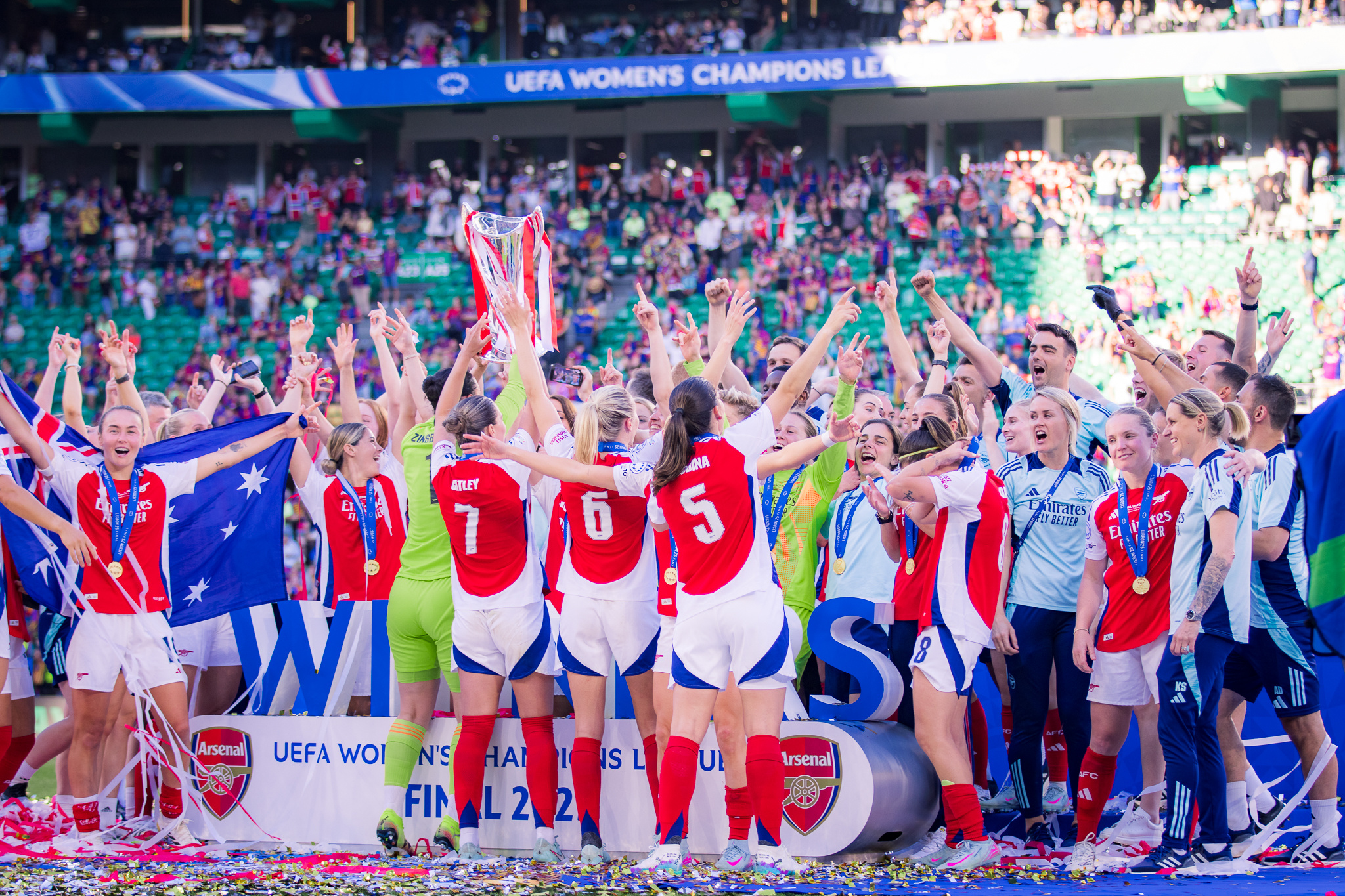
For years, the phrase “the big four” has been casually thrown around in Women’s Super League coverage. On the pitch, it has often felt true enough. But off it, the numbers tell a different story.
The most recent published club accounts, covering 2024/25, show Arsenal and Chelsea generating more revenue between them than the other ten clubs combined.
Arsenal posted £21.54m. Chelsea came in just behind at £21.31m.
That gap was not a one-season blip. It reflected two clear approaches that the rest of the league has struggled to match at the same scale.
One club maximised the Emirates. The other built a commercial operation that accounted for roughly 40% of the entire league’s commercial income.
As the WSL moves through the early stages of the 2026/27 season with an expanded 14-team division and new wage regulations in place, those 2024/25 figures remain the clearest available picture of the financial landscape.
The numbers
WSL clubs generated £90m in total revenue in 2024/25, up 39% on the previous season, according to Deloitte.
Arsenal and Chelsea sat well clear. Manchester United recorded £10.74m and Manchester City £10.62m.
After that, the drop-off was steep.
Liverpool made £6.13m. Tottenham managed £4.41m. Several clubs remained under £3m.
The top four clubs accounted for 71% of league revenue. Commercial income across the division reached £41m, matchday £14m and broadcast £11m. Group income from parent clubs and shared deals added another £23.9m.
Arsenal and Chelsea were the only two sides with wage bills above £10m. Chelsea’s stood at £14.52m. Arsenal’s was £11.32m.
Arsenal’s model – matchday excellence and group support
Arsenal’s £21.54m was driven by matchday revenue of £5.9m, comfortably the highest in the league. That figure had grown from just £45,000 a season nine years earlier.
Regular crowds above 35,000 at the Emirates, tiered pricing and targeted use of fan data turned home games into a consistent income stream.
Arsenal, Chelsea, Manchester City and Manchester United together generated 85% of the league’s total matchday revenue that season (2024/25).
Arsenal’s broadcast income rose to £2.02m, helped by £1.4m from UEFA after their Champions League run. Commercial revenue sat at £1.78m. The largest single line, however, was £11.9m of group income from the parent company.
Despite the high wage bill, Arsenal recorded a small post-tax profit of £22,000.
Chelsea’s model – commercial powerhouse
Chelsea’s £21.31m came largely from commercial revenue of £16.03m – the highest of any women’s club and roughly 40% of the entire WSL commercial total.
Broadcast revenue led the league at £2.27m after a domestic treble and a Champions League semi-final.
Matchday income was £3.01m. The club has since moved its home league fixtures to Stamford Bridge in an effort to lift gate receipts closer to Arsenal’s level.
Chelsea’s wage bill of £14.52m was the highest in the division. The club posted a post-tax loss of £17.10m, though a significant portion related to the £12.08m purchase of Kingsmeadow from the men’s side.
Where Arsenal have maximised the stadium, Chelsea have maximised commercial partnerships and the value of sustained success on the pitch.
What the others are (or aren’t) doing
Manchester City and Manchester United occupied a clear second tier on just over £10m each.
Man City’s commercial revenue reached £6.93m while Man United operated with a lower wage bill of £5.88m and recorded a small profit.
Further down the table, the constraints were clearer.
Liverpool posted a profit on £6.13m of revenue. Tottenham and Everton both operated with wage-to-revenue ratios close to 100%. Brighton continued to post substantial losses while progressing plans for a purpose-built women’s stadium.
London City Lionesses, in their first season after promotion, recorded an operating loss of £10.6m on £902,000 of revenue. Their subsequent transfer activity has shown a different model of investment, but revenues still lag well behind the top two.
Most clubs outside Arsenal and Chelsea remain reliant on owner funding to cover losses while matchday income is limited by smaller venues or lower attendances. Commercial deals, while growing, have not yet reached Chelsea’s scale.
Why it matters
The financial gap was already structural by the end of 2024/25. Arsenal and Chelsea were operating on a different level of both income and expenditure.
New wage regulations, introduced for the 2025/26 season and now fully in force, limit squad salary costs to 80% of relevant revenue plus restricted owner contributions. Those rules will test how the rest of the league responds in the expanded 14-team division.
League-wide growth is real. Every club generated more than £1m in 2024/25, commercial revenue continues to rise, and the WSL has new broadcast deals and greater independence under WSL Football.
Yet the concentration of resources at the top remains the defining feature. Arsenal have shown what consistent high attendances and smart pricing can deliver. Chelsea have shown the value of commercial scale. Few others have matched either at the same level.
Stadium moves, new ownership models and growing broadcast income offer routes forward for the rest of the division. Closing the gap, though, will require more than incremental progress.